News
Haymarket Media Group publishes Global Impact Report for 2026
The report highlights Haymarket’s first year as a globally Certified B Corp, climate commitments, workplace equity, and industry achievements.


Most publishers can now tell you how diverse their workforce is. Fewer can say whether the people they hired are still there five years later, or whether anything changed on the page as a result.
That gap is where the useful work happens. Immediate audited its business, published an ethnicity pay gap report and moved to blind recruitment. News UK rebuilt its intake around apprenticeships rather than graduate schemes, which shifted its gender and ethnicity mix and kept 80 per cent of recruits. Class is the stubborn one: only a small minority of journalists come from lower socio-economic backgrounds, and unpaid internships keep it that way.
If their only chance of promotion is to ape the bosses’ thinking, then your efforts will fail.
Joseph Harker Diversity: more than just a numbers game
Content is the other half. Inclusive coverage has opened up new audiences for some titles, and misjudged coverage has damaged trust for others. Small publishers have shown it doesn't take a big budget to make a start.
The worry now is drift. Industry surveys show diversity slipping down the list of priorities for a third year running, just as publishers chase the younger and broader audiences it would help them reach.
Below you'll find some of our best feature articles on diversity in media, from recruitment, apprenticeships and class to representation, age and inclusive content, alongside our latest news and industry commentary.

Making UK media more diverse is not simply a question of employing more people from different backgrounds. The jobs you give them and the way you treat them is equally important.
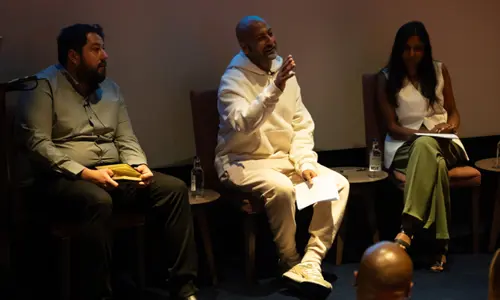
The latest AOP CRUNCH event was titled, ‘Investing in the future: How wider perspectives lead to inclusive narratives and engaged audiences’. The AOP’s Richard Reeves picks out the main talking points.
Paying lip service to improved diversity and inclusion is one thing, putting someone in charge of putting it right is another. Ridhi Radia, who was given that role at Immediate Media, explains why ED&I matters and outlines the steps they have taken.
Are we ready to admit it?, asks Mark Hudson. The journalism pipeline is broken. To fix it, News UK is investing heavily in its apprenticeship scheme, which has brought fresh and diverse new talent into the business.

The results are in for the AOP’s annual ‘Digital Publishing: Outlook and Priorities’ survey. Richard Reeves summarises the main findings.
In terms of female representation in the newsroom, progress is being made, but we mustn’t get complacent because there is still lots of work to be done. For a start, says Jem Collins, we need to broaden our definition of diversity and accessibility.

As an industry, we often talk a good game when it comes to diversity but are we putting up barriers to prospective non-middle-class journalists?

Most forms of discrimination are experienced by minority groups; a few by majority groups. But there’s one that could potentially affect all of us and that’s ageism, laments Dickon Ross.
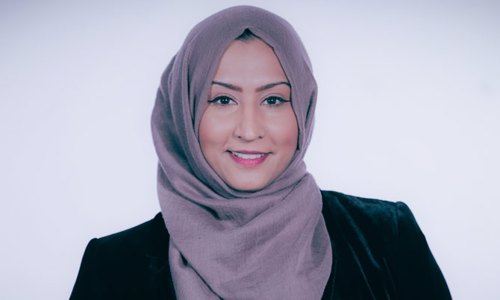
Research suggests that diverse companies are more commercially successful than non-diverse ones. What do publishers need to do to improve their diversity and, thereby, profitability?
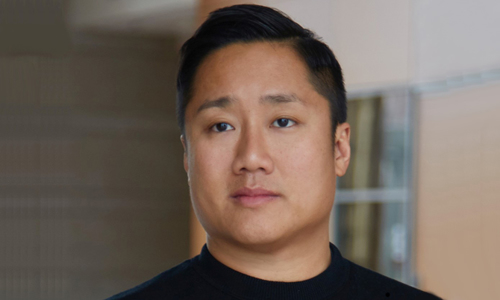
Diversity and inclusion should not be an ‘initiative’ but should be hardwired into your everyday. That, writes Ciar Byrne, is the approach taken by Uwern Jong, founder and editor-in-chief of OutThere.

The report highlights Haymarket’s first year as a globally Certified B Corp, climate commitments, workplace equity, and industry achievements.

The paid fellowship, now in its second year, provides training and mentorship for early-career journalists from underrepresented backgrounds.

Publishers commit to creating paid opportunities.
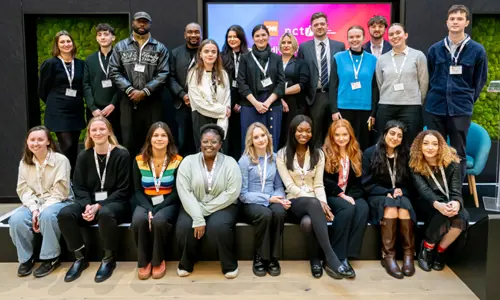
Technological upheaval, changing consumer behaviours and intense commercial pressures are threatening the future of journalism. Joanne Forbes, chief executive of the NCTJ, looks at the investment choices the industry faces.

Happiful magazine, a UK magazine devoted to mental health, is collaborating with DIVA magazine this summer.

James Evelegh picks out some takeaways from the March / April 2026 issue of InPublishing magazine.
The results are in for the AOP’s annual ‘Digital Publishing: Outlook and Priorities’ survey. Richard Reeves summarises the main findings.

The report details 2025 actions on academic freedom, inclusion, sustainability and widening access to knowledge.

The Professional Publishers Association has unveiled the shortlist for the PPA Awards 2026, with winners set to be announced on 17 June 2026.

The next generation of journalists was recognised at the NCTJ Awards for Excellence, sponsored by Reuters, held at Brighton Dome on Tuesday, 24 March.

IOPP celebrates the women shaping the future of science and scholarly publishing.

IOP Publishing signs the Publishers Association UK Publishing Inclusion Pledge.

Women represent more than half of the world's population but only make a quarter of news' subjects, says the Global Media Monitoring Project 2025.

Seven apprentices have joined Reach through a journalism initiative with The King’s Trust.
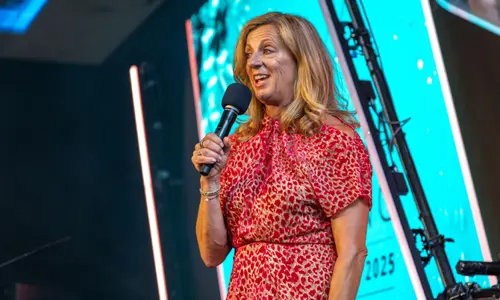
In many sectors, the gender balance still isn’t right, which means that women are often not getting the recognition they deserve One way to address this is to launch women’s awards events, says Simone Broadhurst.
