FEATURE
Selling Lines
Magazine covers used to look like arty posters. Now, says Peter Genower, the sometimes undervalued art of the coverline has turned the front page into a multi-faceted marketing tool…


Consumer magazines spent most of the past two decades managing decline. The more confident publishers have stopped doing that. Newsstand sales and print advertising are still shrinking, but well-made titles with loyal readers are raising cover prices and growing.
Scale matters less than it did. Bauer has made Grazia a more premium product and charged more for it, while independents such as Anthem have put print back at the centre of the business and grown their export sales. Stylist has changed format several times without losing its readers. Others have gone the other way, and Gay Times dropped print entirely to build a global audience online.
For most consumer publishers, print is our USP. It’s the anchor that makes advertisers trust us and the very thing that readers want from us.
Jon Bickley Our print strategy: Anthem
Behind the confidence sits some hard arithmetic. Newstrade is now a small share of revenue and events and ecommerce are growing from a low base. Trust has become a selling point as AI fills the web with content of uncertain origin, but the paid-for consumer model that works at scale is still being worked out.
Below you'll find some of our best feature articles on consumer magazines, from premium print and cover pricing to brand extensions, membership and the future of specialist titles, alongside our latest news and industry commentary.

For a while now, magazine publishers have been on the defensive, unsure about the viability of their traditional business model in a fast-changing world. Katie Vanneck-Smith wants to change all that.

We asked Tamar Riley, portfolio managing director at Immediate, what does best practice publishing look like in consumer media? This is what she said…
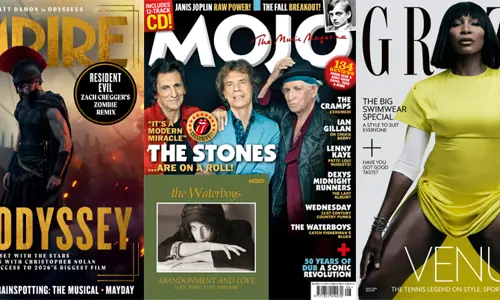
For premium titles like Grazia, Mojo and Empire, growth is increasingly coming not from extending reach but from deepening engagement with existing passionate audiences, as Lauren Holleyoake tells Ciar Byrne.
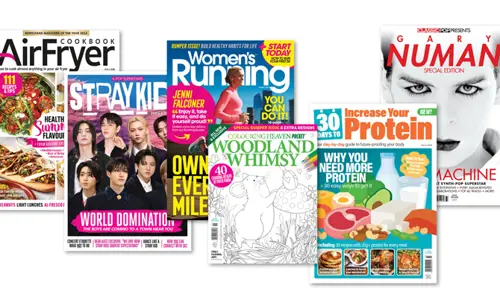
The printed magazine will be a cherished part of people’s lives for years to come, says Jon Bickley, co-founder and CEO. That is why it’s the key component in Anthem’s publishing strategy.
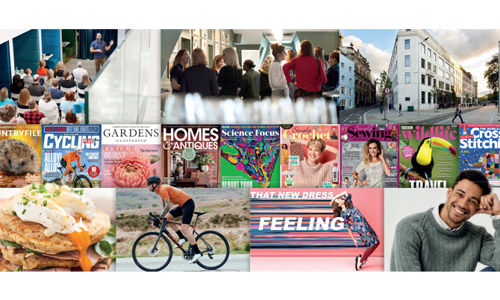
With the arrival of AI and the widespread availability of unattributable content, specialist publishers need to ensure that their titles are the trusted go-to brands in their sectors, Our Media’s Andy Marshall tells Ciar Byrne.
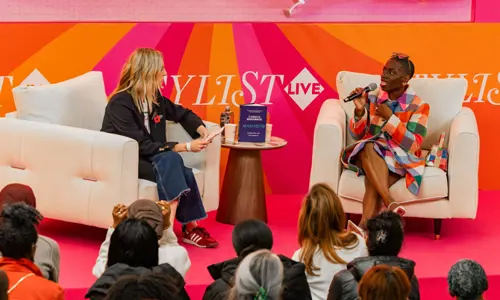
Stylist’s mission has been clear from day one: to engage with its female audience in an intelligent, positive and non-exploitative way. 16 years on, and current PPA Media Brand of the Year, they are staying true to those values, says Lisa Smosarski.

Gay Times was stuck in a rut, tied to its traditional publishing model and reaching only a small part of the LGBTQ+ community. Under the editorship of Lewis Corner, that began to change, as he explains to Ciar Byrne.

Whatever the rest of 2024 holds, two things are certain. Firstly, the bumpy economic ride will continue. Secondly, the need for media companies to have a broad base of revenue streams has never been more important or more challenging to achieve.
How do you create a specialist consumer media business that is fit for the future? What steps do you need to take to be resilient and flexible as audiences and technology evolve? Carolyn Morgan researched 20 innovators from across Europe to find out.
For many publishers, circulation is all about chasing volume, but they would be much better off chasing profitability, says Natalie Smith, client relationship manager at Warners.

Magazine covers used to look like arty posters. Now, says Peter Genower, the sometimes undervalued art of the coverline has turned the front page into a multi-faceted marketing tool…

Despite some horror stories, mainly in the men’s sector where some high profile titles are seemingly in circulation freefall, there is lots to savour in the latest ABCs. MediaCom’s Lucy Brunning looks at the many positives.

The internet has enabled consumers to be more discerning in their choices, to know more about us, and our loyalty-penalising marketing techniques, and has opened up lines of communication with fellow consumers allowing them to talk … about us! All of

Fulfilment is at the heart of the subscriptions model. Traditionally, a publisher’s approach to it has either been to do it themselves or to outsource to a bureau. But, asks Ross Sturley, might there be a third, more flexible way – one which draws fr

In subs marketing, as in life, getting what you want often depends on when you ask for it. Ask too soon, too late or at an inappropriate time and you’ll get nothing. But, get your timing right, says Sophia Dempsey, and things will start to look up.

Husbands and wives get used to each other’s voice. Your subscribers feel the same way about you, says Andy Maslen, which is why it pays to use appropriate language.

When devising your new subscriber acquisition strategies, the presentation of the offer is critically important. Offer types range from the hard, money-up-front to the soft risk-free, bill-me-later, with multiple variations in between. Greg Harris ta

Overall circulation data for last year’s second half looks almost upbeat … until one stirs the cauldron to look beneath the surface. Karlene Lukovitz lifts the lid on some mixed figures at the US newsstand.

The Canadian magazine industry has always been treated by publishers as part of the much bigger North American market and in equal measures has suffered and benefited from the influences its much bigger neighbour has had on it. This is not surprising

With retail sales becoming increasingly volatile, where does subscribing fit into consumer purchasing patterns for magazines? That question lies at the centre of a research project commissioned by the PPA in association with Royal Mail. Brandlab ran

For the past eleven years, the DMA has conducted an annual census of the direct marketing industry. The most recent, for 2005, was published last July. Here, Victoria Bytel, summarises its key findings.

Sooner or later every publisher comes face to face with the realisation that the formula doesn’t work as well as it used to and needs to be overhauled. Yet, despite the fact that this is a common activity in the publishing world, it can be a lonely a

Traditionally, the big consumer publishers have slugged it out at the newsstand, yet the signs are that the conflict zone is widening. Jess Burney looks at the increasing use of subscriptions in consumer circulation wars and what the future has in st

What are the response triggers? What in your copy will prompt your prospect to take up your offer? Peter Hobday reveals how to motivate prospects and how a well crafted ‘long letter’ can even send us to war.

The dawn of the information age, in general, and the rise of the celebrity weekly, in particular, have challenged many long held assumptions about magazine publishing and publishing frequency. David Hepworth looks at some of the challenges facing pub
