News
Society launches Diversity and Inclusion Hub
The Society of Editors has today launched its Diversity, Inclusion and Belonging Hub (D&I) to provide advice, case studies and resources around diversity and inclusion in the media.


Most publishers can now tell you how diverse their workforce is. Fewer can say whether the people they hired are still there five years later, or whether anything changed on the page as a result.
That gap is where the useful work happens. Immediate audited its business, published an ethnicity pay gap report and moved to blind recruitment. News UK rebuilt its intake around apprenticeships rather than graduate schemes, which shifted its gender and ethnicity mix and kept 80 per cent of recruits. Class is the stubborn one: only a small minority of journalists come from lower socio-economic backgrounds, and unpaid internships keep it that way.
If their only chance of promotion is to ape the bosses’ thinking, then your efforts will fail.
Joseph Harker Diversity: more than just a numbers game
Content is the other half. Inclusive coverage has opened up new audiences for some titles, and misjudged coverage has damaged trust for others. Small publishers have shown it doesn't take a big budget to make a start.
The worry now is drift. Industry surveys show diversity slipping down the list of priorities for a third year running, just as publishers chase the younger and broader audiences it would help them reach.
Below you'll find some of our best feature articles on diversity in media, from recruitment, apprenticeships and class to representation, age and inclusive content, alongside our latest news and industry commentary.

Making UK media more diverse is not simply a question of employing more people from different backgrounds. The jobs you give them and the way you treat them is equally important.
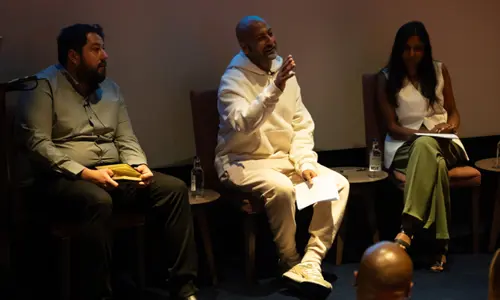
The latest AOP CRUNCH event was titled, ‘Investing in the future: How wider perspectives lead to inclusive narratives and engaged audiences’. The AOP’s Richard Reeves picks out the main talking points.
Paying lip service to improved diversity and inclusion is one thing, putting someone in charge of putting it right is another. Ridhi Radia, who was given that role at Immediate Media, explains why ED&I matters and outlines the steps they have taken.
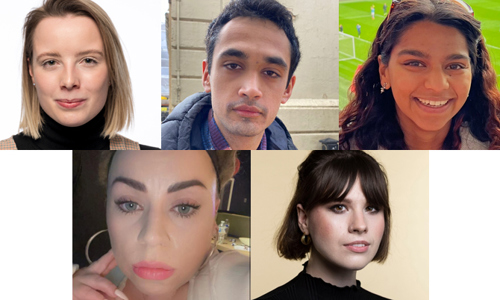
Are we ready to admit it?, asks Mark Hudson. The journalism pipeline is broken. To fix it, News UK is investing heavily in its apprenticeship scheme, which has brought fresh and diverse new talent into the business.
The results are in for the AOP’s annual ‘Digital Publishing: Outlook and Priorities’ survey. Richard Reeves summarises the main findings.
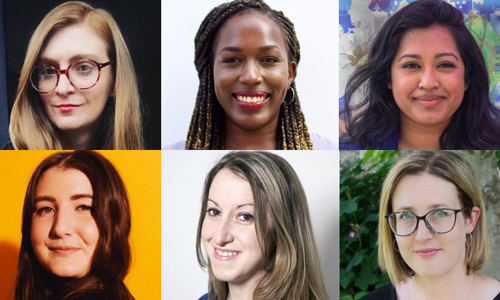
In terms of female representation in the newsroom, progress is being made, but we mustn’t get complacent because there is still lots of work to be done. For a start, says Jem Collins, we need to broaden our definition of diversity and accessibility.

As an industry, we often talk a good game when it comes to diversity but are we putting up barriers to prospective non-middle-class journalists?

Most forms of discrimination are experienced by minority groups; a few by majority groups. But there’s one that could potentially affect all of us and that’s ageism, laments Dickon Ross.
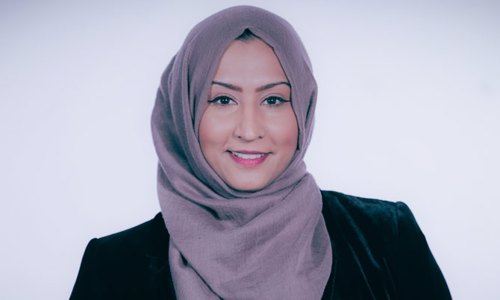
Research suggests that diverse companies are more commercially successful than non-diverse ones. What do publishers need to do to improve their diversity and, thereby, profitability?
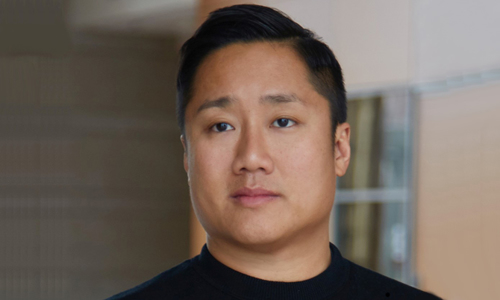
Diversity and inclusion should not be an ‘initiative’ but should be hardwired into your everyday. That, writes Ciar Byrne, is the approach taken by Uwern Jong, founder and editor-in-chief of OutThere.

The Society of Editors has today launched its Diversity, Inclusion and Belonging Hub (D&I) to provide advice, case studies and resources around diversity and inclusion in the media.

On International Women’s Day, Acast announced it has become the first audio partner of the UK Chapter of the Unstereotype Alliance.

Over 50 magazine publishers have participated in a new, freely-accessible digital resource page on the Exact Editions platform, which features over 200 articles about feminism and gender equality.

To mark International Women’s Day, Emerald Publishing has announced its commitment to helping break gender bias in academia by committing to improving the representation of women.

This year the scheme has been rolled out to over 150 participating students from diverse backgrounds across the regions, say the publishers.

Reach plc yesterday published its full year results, for the 52 weeks up to 26 December 2021 and announced that they had hit their 10 million registrations target.

A conference highlighting the impact people with disabilities make on the journalism industry will take place in March, supported by News UK.
Diversity and inclusion should not be an ‘initiative’ but should be hardwired into your everyday. That, writes Ciar Byrne, is the approach taken by Uwern Jong, founder and editor-in-chief of OutThere.

New data from a global study analysing sexual harassment in 20 countries finds, on average, 40% of women media professionals have experienced sexual harassment of some kind in the workplace.

Cosmopolitan is celebrating its 50th anniversary with the model and social activist, Munroe Bergdorf on the cover.

2021 seems to be ending on a bit of a downer, but the year has had its positive moments.

DC Thomson writers have been recognised by Zero Tolerance, the Scottish charity which promotes gender equality, and challenges attitudes that ‘normalise violence and abuse against women’.

Future plc has revealed its plans to champion a safer internet for all as part of ‘Our Future, Our Responsibility’, its responsibility strategy which launches today.

The Community News Project will create up to 100 community reporter roles, as the scheme is expanded with new funding.

Brands and publishers need to adopt a more proactive approach to matters of inclusion, equity and diversity.
