News
Reach launches ‘D&I Spy’ podcast
Reach diversity has announced the launch of the ‘D&I Spy’ podcast, uncovering “the good, the bad and the ugly” behind the fight for a more inclusive workplace.


Most publishers can now tell you how diverse their workforce is. Fewer can say whether the people they hired are still there five years later, or whether anything changed on the page as a result.
That gap is where the useful work happens. Immediate audited its business, published an ethnicity pay gap report and moved to blind recruitment. News UK rebuilt its intake around apprenticeships rather than graduate schemes, which shifted its gender and ethnicity mix and kept 80 per cent of recruits. Class is the stubborn one: only a small minority of journalists come from lower socio-economic backgrounds, and unpaid internships keep it that way.
If their only chance of promotion is to ape the bosses’ thinking, then your efforts will fail.
Joseph Harker Diversity: more than just a numbers game
Content is the other half. Inclusive coverage has opened up new audiences for some titles, and misjudged coverage has damaged trust for others. Small publishers have shown it doesn't take a big budget to make a start.
The worry now is drift. Industry surveys show diversity slipping down the list of priorities for a third year running, just as publishers chase the younger and broader audiences it would help them reach.
Below you'll find some of our best feature articles on diversity in media, from recruitment, apprenticeships and class to representation, age and inclusive content, alongside our latest news and industry commentary.

Making UK media more diverse is not simply a question of employing more people from different backgrounds. The jobs you give them and the way you treat them is equally important.
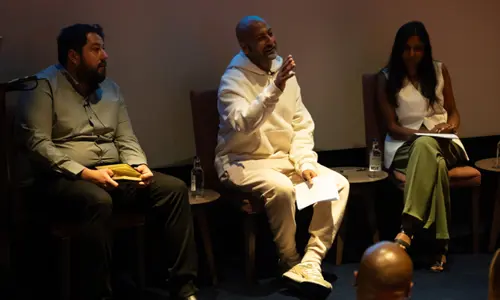
The latest AOP CRUNCH event was titled, ‘Investing in the future: How wider perspectives lead to inclusive narratives and engaged audiences’. The AOP’s Richard Reeves picks out the main talking points.

Paying lip service to improved diversity and inclusion is one thing, putting someone in charge of putting it right is another. Ridhi Radia, who was given that role at Immediate Media, explains why ED&I matters and outlines the steps they have taken.

Are we ready to admit it?, asks Mark Hudson. The journalism pipeline is broken. To fix it, News UK is investing heavily in its apprenticeship scheme, which has brought fresh and diverse new talent into the business.

The results are in for the AOP’s annual ‘Digital Publishing: Outlook and Priorities’ survey. Richard Reeves summarises the main findings.
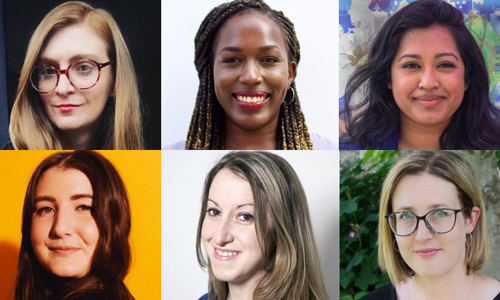
In terms of female representation in the newsroom, progress is being made, but we mustn’t get complacent because there is still lots of work to be done. For a start, says Jem Collins, we need to broaden our definition of diversity and accessibility.

As an industry, we often talk a good game when it comes to diversity but are we putting up barriers to prospective non-middle-class journalists?

Most forms of discrimination are experienced by minority groups; a few by majority groups. But there’s one that could potentially affect all of us and that’s ageism, laments Dickon Ross.

Research suggests that diverse companies are more commercially successful than non-diverse ones. What do publishers need to do to improve their diversity and, thereby, profitability?
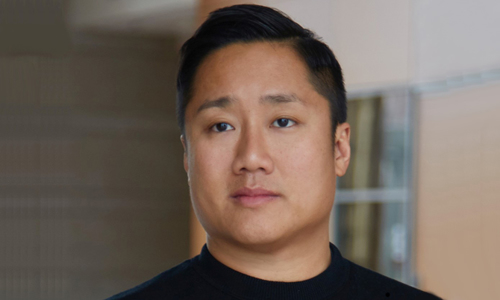
Diversity and inclusion should not be an ‘initiative’ but should be hardwired into your everyday. That, writes Ciar Byrne, is the approach taken by Uwern Jong, founder and editor-in-chief of OutThere.

Reach diversity has announced the launch of the ‘D&I Spy’ podcast, uncovering “the good, the bad and the ugly” behind the fight for a more inclusive workplace.

Six Journalism Diversity Fund (JDF) recipients have been awarded specialist bursaries as they begin their NCTJ training.

Atex, a provider of software solutions for publishers, is supporting the ‘Wo*men's Rugby – Land of Freedom’ initiative, which aims to increase women’s participation in sport. Atex’s Alberto Mari looks at the inspirational stories behind it.

The Financial Times speaks of its support of the United Nations’ International Day of the Girl on 11 October as the day marks the 10th anniversary of the initiative.

Reach has announced the relaunch of its Black History is Our History site with new stories and educational focus geared towards schools and children.

The Independent has announced a series of cross-business initiatives to mark Black History Month UK this October.

Findmypast announced in August a new partnership with Code First Girls (CFG), a UK-based social enterprise that provides technology training for women, to help tackle the UK’s gender gap in technology skills.

Keith Magee was appointed as Chair of The Guardian Foundation’s board in July.

Mail Metro Media, the advertising arm of dmg media, has announced the launch of ‘The Diversity Factor’ – new community-based research for advertisers.

Society publisher, IOP Publishing, is to offer authors discounted OA publishing across all its journals to increase global equity and inclusion in open access publishing.

Winners of The Printing Charity’s Rising Star Awards have been announced.

The Stationers’ Company elects Moira Sleight, editor and publisher of the Methodist Recorder, as Master.

The winners of the WAN-IFRA European Digital Media Awards 2022 were unveiled on Monday, 4 July.
Making UK media more diverse is not simply a question of employing more people from different backgrounds. The jobs you give them and the way you treat them is equally important.

The publishing industry gathered at The Grosvenor House Hotel for the annual Professional Publishers Association (PPA) Awards.
