News
PCS appoints Marketing Manager
PCS, a leading software developer for the publishing industry, has announced the appointment of Hannah Amiss as Marketing Manager with immediate effect.


The newspaper business was built for a world where one product served everyone and advertising paid for most of it. That model has gone. What replaces it is still being worked out title by title, from national groups to weeklies covering a single town.
Reader revenue is the clearest shift. Even Reach, which argued for free access for years, now puts some of its journalism behind a paywall, and the regional titles doing best changed their newsrooms before they asked anyone to pay. Ownership keeps changing too. National World rebuilt local editorships after years of centralisation, and the Observer is being reinvented as a premium print and digital title under new owners.
The strongest publishers understand the difference because they are not trying to be everything to everyone. They are trying to be essential to someone.
Chris Sherrard News media
Local news is where the pressure shows most. Millions of people now live without a dedicated local title, and new reader-funded and membership startups are moving into the gaps. Platforms are pulling back from news at the same time, which leaves trust and a direct relationship with readers as the assets that matter most.
Print hasn't disappeared either. Well-run weeklies still hold on to their readers, with circulation falling slowly while digital audiences grow.
Below you'll find some of our best feature articles on news media, from reader revenue and newsroom change to ownership, local news and trust, alongside our latest news and industry commentary.

Where is the growth opportunity for today’s publishers? Douglas McCabe tracks how the commercial model has evolved over the past fifty years and examines whether a better understanding of what online audiences want, will help drive future growth.

We asked Chris Sherrard, editor-in-chief of The Irish News, what does best practice publishing look like in news media? This is what he said…
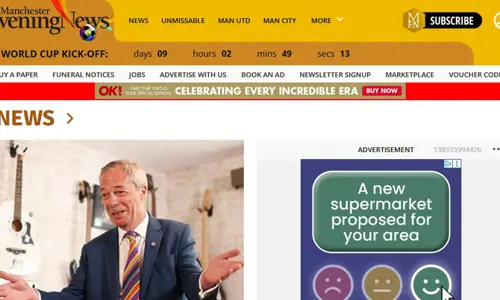
After years of resisting paywalls, Reach is now launching them across its titles. But David Higgerson, Reach’s chief content officer, carefully avoided the word ‘U-turn’ when interviewed by Steve Dyson.
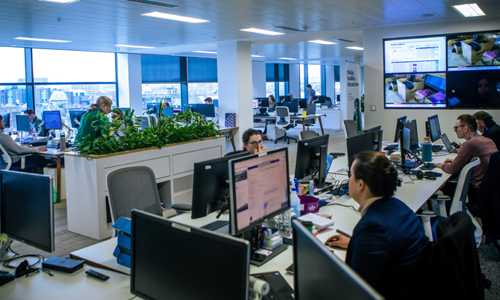
It’s one thing to think that readers should pay for your journalism, but the reality is that unless you improve your offering, then you will struggle to start charging for it, as DC Thomson Editor-in-Chief Frank O’Donnell tells Ciar Byrne.

How can you edit a regional newspaper when you never visit the area you’re writing about? By filling it with generic content, an approach that National World’s David Montgomery, the new owner of JPI Media, is rapidly doing away with.
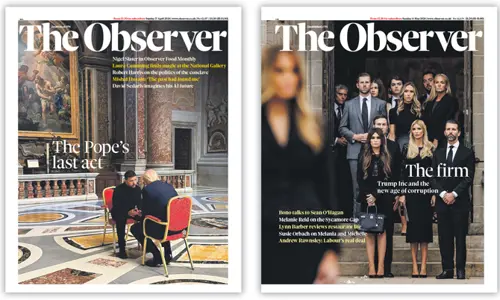
Ray Snoddy talks to Co-CEO Rich Furness about the thinking behind Tortoise Media’s acquisition of the world’s oldest Sunday newspaper and about their plans for its future.
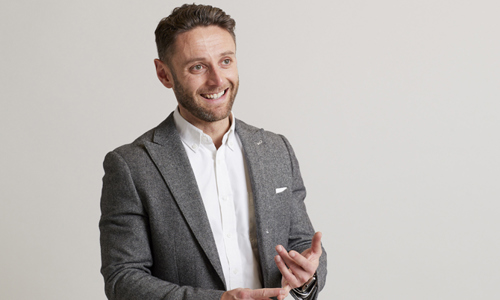
What’s the outlook for national news media in 2024? Christian Broughton, CEO of The Independent, looks ahead.
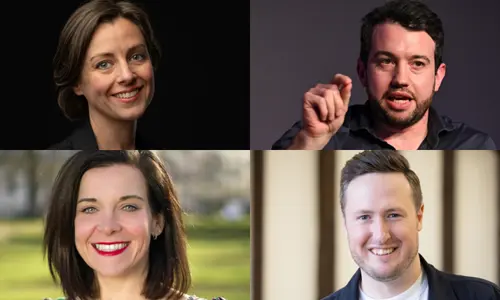
There is a new generation of entrepreneurs launching local media businesses, bringing with them new ideas on business models and funding. Phil Clark looks at some of the stand-out examples.

With Meta backing away from ‘news’ and AI accelerating the growth of disinformation, we need to redouble our efforts to safeguard access to quality journalism, says News Media Association Chief Executive Owen Meredith.
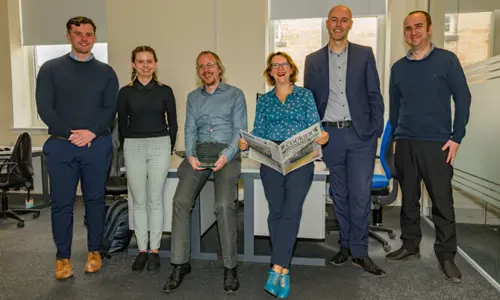
East Lothian is not just the best place to live – it has the best newsbrand too. Alan Geere heads over the border to find out what’s happening in the world of Scottish weeklies.

PCS, a leading software developer for the publishing industry, has announced the appointment of Hannah Amiss as Marketing Manager with immediate effect.

The Atlantic is deepening its reporting on the role religion plays in communities across the world with the support of a two-year grant from the Henry Luce Foundation’s Henry R. Luce Initiative on Religion in International Affairs.

The New European newspaper – “the pop-up national newspaper for the 48% who voted Remain at the referendum” – has exceeded sales targets and will continue publishing beyond its initial commitment of four weeks, says publishers Archant.

Bloomberg Radio yesterday announced it is joining Radioplayer, the listening platform backed by the BBC and commercial radio, in a deal that will enable it to reach an additional six million potential listeners in the UK.

The Guardian has confirmed losses of £69m for the last financial year but said it was making significant progress in its membership scheme, with more than 50,000 people paying to sign up.

Dawson Media Direct announced the launch this week of the first in a planned series of territory-specific ‘microsites’, designed to serve its publisher and airline customers in Thailand.

Mail Brands UK has agreed a landmark data-only deal with specialist programmatic agency Infectious Media, underlining the quality and scale of MailOnline’s first party data, says the company.

On 23 June, the UK voted to leave the EU and the earth hasn’t stopped shaking since. How did the usually (small ‘c’) conservative Brits come to make such a monumental decision and how did Fleet Street inform the debate and influence the result? Liz G

The role of editor has been no more immune to the winds of change than any other in publishing. Workloads have increased and resources have been cut, putting huge pressure on the editor. Peter Sands asks seven experienced editors about the role, how

In March, the Independent closed its print editions and went digital-only. Obituaries were written and tears shed, though the publishers themselves were resolutely upbeat about their online future. Jon Slattery takes a look at the Independent to see

Search engines and publishers are both caught in the same dilemma, writes Amanda Watlington: how to retain the increasingly fragmented attention of their users and readers.

One of the toughest jobs in publishing is held by a lawyer, or to be more precise, a high court judge. Sir Alan Moses, chairman of IPSO, has to deal with a sceptical public, an unbiddable press and a determined pressure group, not to mention a rival

Guardian News & Media is launching ‘Pulse’ - a brand new real-time programmatic proposition that targets the Guardian’s most engaged users on current and surging content.

Guardian News & Media has announced the appointment of Imogen Fox to the role of Executive Editor, Guardian Labs.

Six-in-10 Britons interested in the Olympics will share content online about it – according to research from marketing technology firm RadiumOne, which reveals the what, how and how much of sharing content around the 2016 games in Rio.
