





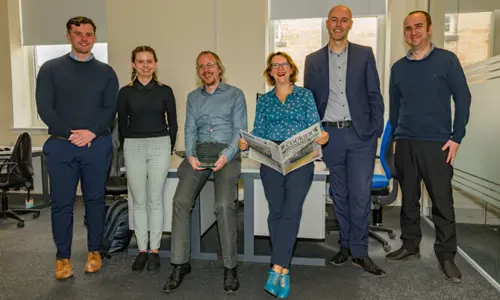
Archant Suffolk launches Stowmarket Mercury
Archant Suffolk has announced a number of changes to its publishing plans including the launch of a free weekly newspaper and the launch of a Saturday edition of the East Anglian Daily Times.
The newspaper business was built for a world where one product served everyone and advertising paid for most of it. That model has gone. What replaces it is still being worked out title by title, from national groups to weeklies covering a single town.
Reader revenue is the clearest shift. Even Reach, which argued for free access for years, now puts some of its journalism behind a paywall, and the regional titles doing best changed their newsrooms before they asked anyone to pay. Ownership keeps changing too. National World rebuilt local editorships after years of centralisation, and the Observer is being reinvented as a premium print and digital title under new owners.
The strongest publishers understand the difference because they are not trying to be everything to everyone. They are trying to be essential to someone.
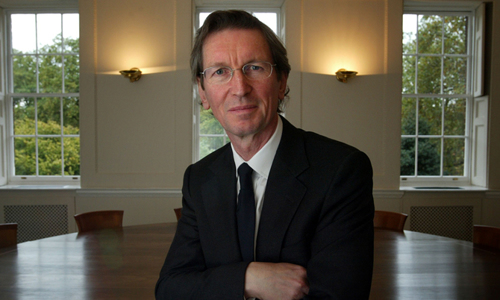
Chris Sherrard News media
Local news is where the pressure shows most. Millions of people now live without a dedicated local title, and new reader-funded and membership startups are moving into the gaps. Platforms are pulling back from news at the same time, which leaves trust and a direct relationship with readers as the assets that matter most.
Print hasn't disappeared either. Well-run weeklies still hold on to their readers, with circulation falling slowly while digital audiences grow.
Below you'll find some of our best feature articles on news media, from reader revenue and newsroom change to ownership, local news and trust, alongside our latest news and industry commentary.
Where is the growth opportunity for today’s publishers? Douglas McCabe tracks how the commercial model has evolved over the past fifty years and examines whether a better understanding of what online audiences want, will help drive future growth.
We asked Chris Sherrard, editor-in-chief of The Irish News, what does best practice publishing look like in news media? This is what he said…
After years of resisting paywalls, Reach is now launching them across its titles. But David Higgerson, Reach’s chief content officer, carefully avoided the word ‘U-turn’ when interviewed by Steve Dyson.
It’s one thing to think that readers should pay for your journalism, but the reality is that unless you improve your offering, then you will struggle to start charging for it, as DC Thomson Editor-in-Chief Frank O’Donnell tells Ciar Byrne.
How can you edit a regional newspaper when you never visit the area you’re writing about? By filling it with generic content, an approach that National World’s David Montgomery, the new owner of JPI Media, is rapidly doing away with.
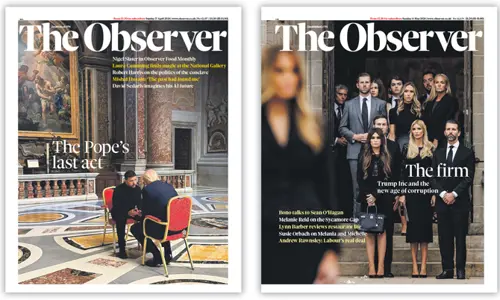
Ray Snoddy talks to Co-CEO Rich Furness about the thinking behind Tortoise Media’s acquisition of the world’s oldest Sunday newspaper and about their plans for its future.
What’s the outlook for national news media in 2024? Christian Broughton, CEO of The Independent, looks ahead.
There is a new generation of entrepreneurs launching local media businesses, bringing with them new ideas on business models and funding. Phil Clark looks at some of the stand-out examples.
With Meta backing away from ‘news’ and AI accelerating the growth of disinformation, we need to redouble our efforts to safeguard access to quality journalism, says News Media Association Chief Executive Owen Meredith.
East Lothian is not just the best place to live – it has the best newsbrand too. Alan Geere heads over the border to find out what’s happening in the world of Scottish weeklies.
Archant Suffolk has announced a number of changes to its publishing plans including the launch of a free weekly newspaper and the launch of a Saturday edition of the East Anglian Daily Times.
The Media Pioneer Awards, run by the Specialist Media Show, recognise innovation and entrepreneurial spirit in specialist consumer and b2b media businesses. In Publishing have been associated with the Awards since launch.
DMGT yesterday unveiled its corporate reporting suite for 2012. Included in the reporting suite are the 2011 annual report interactive PDF, a new corporate brochure and video, and a new-look homepage for the company's website, DMGT.com.
The NFRN has reacted angrily to recent developments from the Press Distribution Forum (PDF).
Carolyn Morgan looks at how a niche print publisher transformed itself into a global digital and events business.
Specialist magazine publisher, Warners Group Publications, is using the new Videobuilder platform to create video revenue and drive traffic to its Canoe and Kayak and Model Railways Live sites.
Outbrain, a leading global content discovery platform, has announced its launch into the French market.
Atex has announced its new browser-based content management system designed to help media companies manage their entire workflow with one cloud-based publishing environment which delivers content across multiple channels.
Shedding the pounds with the traditional January detox might prove harder than normal this year for some as new evidence reveals Brits have been comfort eating in record numbers in the face of a worsening economic climate, says BBC Good Food.
Adrian Smith, who was the first Chairman of the Press Distribution Forum since the inauguration in September 2010 until 31st December 2011, has now relinquished the position and passed the baton to Mike Newman for the next 12 months.
The Financial Times has unveiled its new variable terms structure for 2012 but rather than use the opportunity to drive sales forward it is has simply shot it’s self in the foot, says the NFRN.
T3, the UK’s biggest selling iPad magazine, claims to have become the first ever UK magazine to launch a fully interactive Android Edition.
Publishing Expo 2012 is being held at Earls Court 2 on 28 and 29 February. Visitor registration is now live.
Future, a leading publisher of digital media properties, has announced that TechRadar.com is launching in the United States.
Sixty-four journalists and other media workers were killed world-wide because of their professional activities in 2011, with nearly half of them killed in Pakistan, Iraq, Libya and Yemen, the World Association of Newspapers and News Publishers (WAN-I