News
Newsquest reaches digital subs milestone
Local media group Newsquest says it now has more than 100,000 monthly paying digital subscribers to its news brands.


The newspaper business was built for a world where one product served everyone and advertising paid for most of it. That model has gone. What replaces it is still being worked out title by title, from national groups to weeklies covering a single town.
Reader revenue is the clearest shift. Even Reach, which argued for free access for years, now puts some of its journalism behind a paywall, and the regional titles doing best changed their newsrooms before they asked anyone to pay. Ownership keeps changing too. National World rebuilt local editorships after years of centralisation, and the Observer is being reinvented as a premium print and digital title under new owners.
The strongest publishers understand the difference because they are not trying to be everything to everyone. They are trying to be essential to someone.
Chris Sherrard News media
Local news is where the pressure shows most. Millions of people now live without a dedicated local title, and new reader-funded and membership startups are moving into the gaps. Platforms are pulling back from news at the same time, which leaves trust and a direct relationship with readers as the assets that matter most.
Print hasn't disappeared either. Well-run weeklies still hold on to their readers, with circulation falling slowly while digital audiences grow.
Below you'll find some of our best feature articles on news media, from reader revenue and newsroom change to ownership, local news and trust, alongside our latest news and industry commentary.

Where is the growth opportunity for today’s publishers? Douglas McCabe tracks how the commercial model has evolved over the past fifty years and examines whether a better understanding of what online audiences want, will help drive future growth.

We asked Chris Sherrard, editor-in-chief of The Irish News, what does best practice publishing look like in news media? This is what he said…
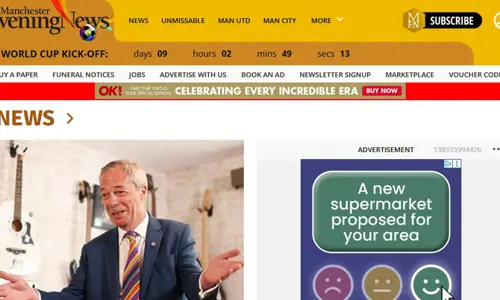
After years of resisting paywalls, Reach is now launching them across its titles. But David Higgerson, Reach’s chief content officer, carefully avoided the word ‘U-turn’ when interviewed by Steve Dyson.
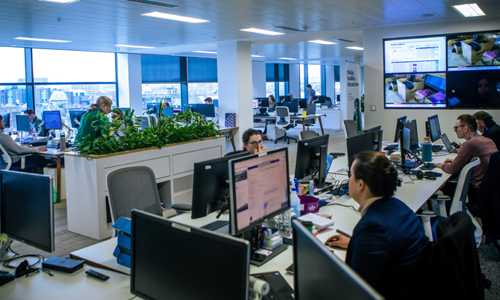
It’s one thing to think that readers should pay for your journalism, but the reality is that unless you improve your offering, then you will struggle to start charging for it, as DC Thomson Editor-in-Chief Frank O’Donnell tells Ciar Byrne.
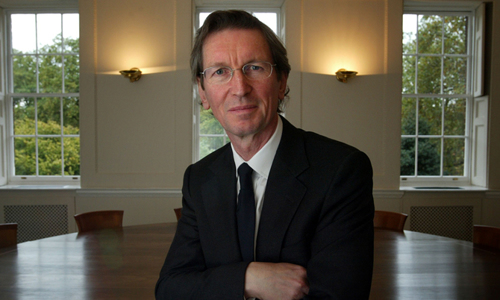
How can you edit a regional newspaper when you never visit the area you’re writing about? By filling it with generic content, an approach that National World’s David Montgomery, the new owner of JPI Media, is rapidly doing away with.
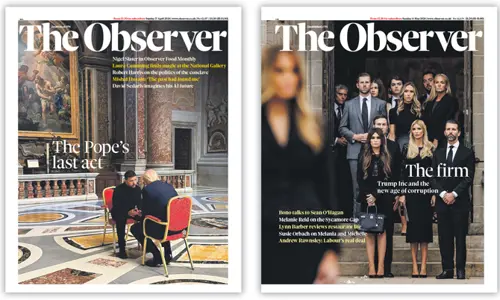
Ray Snoddy talks to Co-CEO Rich Furness about the thinking behind Tortoise Media’s acquisition of the world’s oldest Sunday newspaper and about their plans for its future.
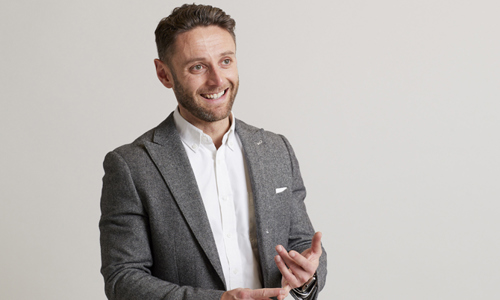
What’s the outlook for national news media in 2024? Christian Broughton, CEO of The Independent, looks ahead.
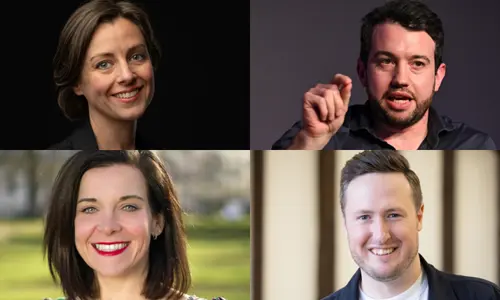
There is a new generation of entrepreneurs launching local media businesses, bringing with them new ideas on business models and funding. Phil Clark looks at some of the stand-out examples.

With Meta backing away from ‘news’ and AI accelerating the growth of disinformation, we need to redouble our efforts to safeguard access to quality journalism, says News Media Association Chief Executive Owen Meredith.
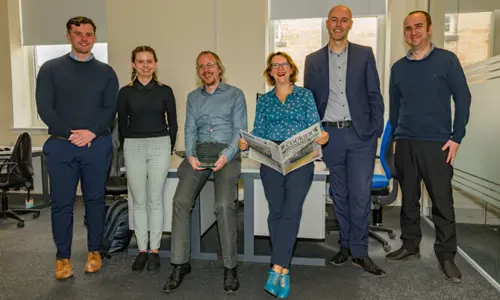
East Lothian is not just the best place to live – it has the best newsbrand too. Alan Geere heads over the border to find out what’s happening in the world of Scottish weeklies.

Local media group Newsquest says it now has more than 100,000 monthly paying digital subscribers to its news brands.

Khaleej Times, part of Galadari, has appointed Charles Yardley as its new chief executive officer.

The Financial Times, in partnership with Infosys, has brought back to life an historic piece of technology that uses water to show how money flows around an economy.

The partnership integrates Onetag’s Smart Curation platform with Audigent’s programmatic activation which aims to offer higher media quality across the ad ecosystem.

The new roles are part of the Scott Trust Legacies of Enslavement programme, which uncovered links between the founders of the Manchester Guardian and transatlantic slavery.

Ahead of our ‘optimising sales’ webinar on 24 September, we grab five minutes with Workbooks CEO John Cheney to ask him about some of the sales challenges and opportunities facing publishers.

Paul Connew looks at the issue which has been dominating the political and media agenda and threatens to give Keir Starmer and his chancellor Rachel Reeves their most difficult day so far in the Commons next week.

Financial Times and Google News Initiative have extended their partnership to support journalists and publishers at 1,000 news organisations by 2027.

The Sun’s Never Mind The Ballots has gained sponsorship from Betfair for its US election coverage.

The Stationers’ Company celebrates the official launch of Leigh Stationers’ Academy in south-east London.

The Guardian Foundation have announced the names of six new Scott Trust Bursary recipients for 2024-25.

NUJ Disabled Members’ Council calls for lasting improvements to access for disabled people.

National World has announced it is dedicating itself to championing the hospitality industry across the UK in September with a special Food and Drink Month.

Multilocal has announced the appointment of Rafal Dworak as product partnerships lead.

Tesco Finest are the exclusive launch partner for the Guardian’s new Feast app.
