News
NUJ wins recognition at POLITICO
The NUJ has secured a recognition agreement at POLITICO following months of thorough negotiations and an arbitration process.


Publishing runs on people, yet it is easy to invest in technology faster than in the staff who have to use it. As AI changes how the work gets done, the skills that matter most are the ones hardest to automate: judgement and the willingness to keep learning.
Getting good people in is the first problem. Graduate-only hiring has narrowed the pool, and some of the most successful schemes now recruit apprentices through blind, strengths-based selection, funded through the apprenticeship levy. Keeping them is the second, and pay remains the sore point. Journalism still pays less than comparable professions, and talented people leave because of it.
Fundamentally, all the frills and benefits in the world are not going to keep people working for you if the work is not rewarding, if people don’t have autonomy and you don’t pay them well enough.
Amanda Barnes Faversham House: our people strategy and why it's worked for us
Culture does the rest. Publishers recognised as good employers tend to train their managers properly, protect time for learning and treat wellbeing as part of the job rather than a perk. Hybrid working has made all of this harder, particularly for new starters who used to learn by sitting next to experienced colleagues. And with more work going to freelances, how they are treated is part of the picture too.
Below you'll find some of our best feature articles on people, recruitment and training in publishing, from apprenticeships and talent strategy to pay, culture, hybrid working and leadership, alongside our latest news and industry commentary.

In today’s fast-changing media and tech world, publishers need to rethink the way they recruit, train and develop staff, says David Reay.

Are we ready to admit it?, asks Mark Hudson. The journalism pipeline is broken. To fix it, News UK is investing heavily in its apprenticeship scheme, which has brought fresh and diverse new talent into the business.
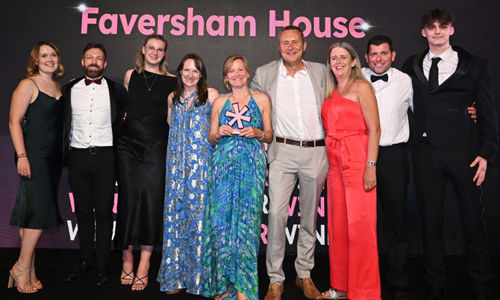
Of the many awards Faversham House has won over the years, winning ‘PPA Employer of the Year 2024’ was special and meant a lot to Chief Executive Amanda Barnes. Here, she explains why.
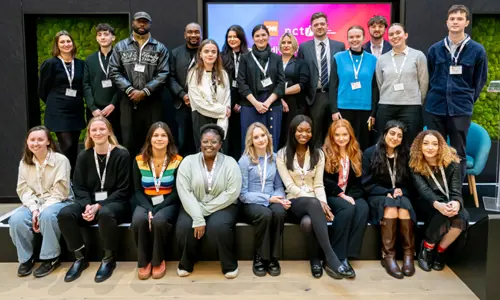
Technological upheaval, changing consumer behaviours and intense commercial pressures are threatening the future of journalism. Joanne Forbes, chief executive of the NCTJ, looks at the investment choices the industry faces.

After you’ve gone to the effort of recruiting a good journalist, it’s worth putting in the effort to keep them. Making them feel valued is a key part of that, says Peter Sands.

A bright future is within the grasp of news media – but it is not assured. It requires imaginative cross-industry effort and resources: fail at this and a blizzard of conspiracy theories, infotainment, and relativism could overwhelm dependable news.
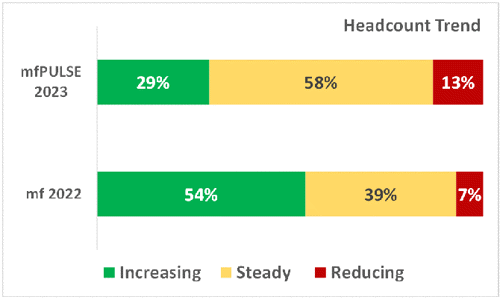
The last few years of the mediafutures benchmarking project have shown how managing people has become increasingly complex for most media companies. The new mediafuturesPULSE tracker survey shows that staff issues are now top of the agenda.

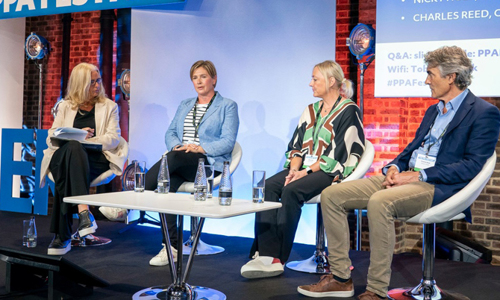
At this week’s PPA Leadership Summit, one of the panel sessions looked at the future of work. James Evelegh listened in.

Freelancers are an increasingly important resource for editors, so it’s in publishers’ best interests to treat them well. Yet too often, wittingly or unwittingly, they are treated casually. How we can get the best out of our freelance contributors?
Good leaders enable the people in their team to thrive. To do this, they need to do these three things.

The NUJ has secured a recognition agreement at POLITICO following months of thorough negotiations and an arbitration process.

The Lancet, one of the world’s leading medical journals, could be forced to cancel publication for the first time in 200 years as workers strike again over pay.

The PPA has announced the winners of its Next Gen Awards 2026, recognising the talented individuals who are already helping to shape the future of the UK's publishing industry.

The paid fellowship, now in its second year, provides training and mentorship for early-career journalists from underrepresented backgrounds.

Publishers commit to creating paid opportunities.

Members at The Lancet NUJ Chapel have overwhelmingly rejected the company's latest pay offer, with the union now having sent notice to ballot for industrial action.
Technological upheaval, changing consumer behaviours and intense commercial pressures are threatening the future of journalism. Joanne Forbes, chief executive of the NCTJ, looks at the investment choices the industry faces.

Mike Soutar tells delegates at the PPA Festival what it takes to be a great CEO in today’s uncertain world.

The NUJ Reach Group chapel last week passed a motion calling for the Reach plc board to stop mass redundancies across the company.

William Reed has appointed Lucinda Pullinger as chief people officer.

BMJ Group and University of Cambridge Professional and Continuing Education partner to strengthen data literacy in healthcare.

Cancer and Careers’ inaugural index highlights the top 17 organisations supporting employees affected by cancer.

US journalist Anne Godlasky, named director of Reuters Institute’s journalist programmes.

In one seamless experience, students can access visual learning, verified and cited responses and personalized support, all based on trusted United States Medical Licensing Examination aligned content.

More than 60 Newsquest colleagues slept out overnight in February in support of Centrepoint, Newsquest’s 2026 Charity of the Year, to help raise funds for young people facing homelessness.
