News
Poool to be acquired by Darwin CX
Poool has signed a definitive agreement to be acquired by Darwin CX.


Consumer magazines spent most of the past two decades managing decline. The more confident publishers have stopped doing that. Newsstand sales and print advertising are still shrinking, but well-made titles with loyal readers are raising cover prices and growing.
Scale matters less than it did. Bauer has made Grazia a more premium product and charged more for it, while independents such as Anthem have put print back at the centre of the business and grown their export sales. Stylist has changed format several times without losing its readers. Others have gone the other way, and Gay Times dropped print entirely to build a global audience online.
For most consumer publishers, print is our USP. It’s the anchor that makes advertisers trust us and the very thing that readers want from us.
Jon Bickley Our print strategy: Anthem
Behind the confidence sits some hard arithmetic. Newstrade is now a small share of revenue and events and ecommerce are growing from a low base. Trust has become a selling point as AI fills the web with content of uncertain origin, but the paid-for consumer model that works at scale is still being worked out.
Below you'll find some of our best feature articles on consumer magazines, from premium print and cover pricing to brand extensions, membership and the future of specialist titles, alongside our latest news and industry commentary.

For a while now, magazine publishers have been on the defensive, unsure about the viability of their traditional business model in a fast-changing world. Katie Vanneck-Smith wants to change all that.

We asked Tamar Riley, portfolio managing director at Immediate, what does best practice publishing look like in consumer media? This is what she said…
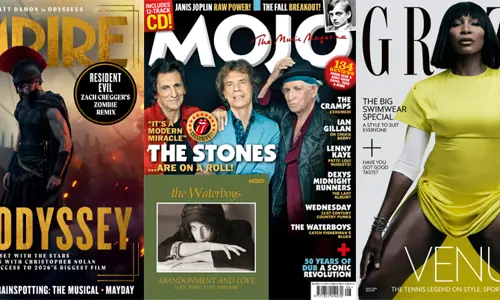
For premium titles like Grazia, Mojo and Empire, growth is increasingly coming not from extending reach but from deepening engagement with existing passionate audiences, as Lauren Holleyoake tells Ciar Byrne.
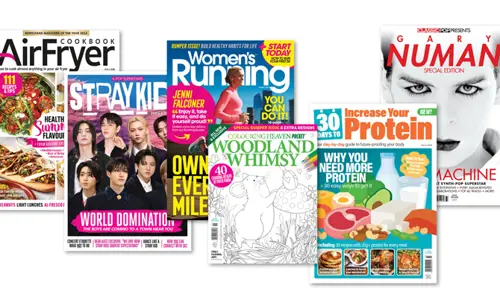
The printed magazine will be a cherished part of people’s lives for years to come, says Jon Bickley, co-founder and CEO. That is why it’s the key component in Anthem’s publishing strategy.
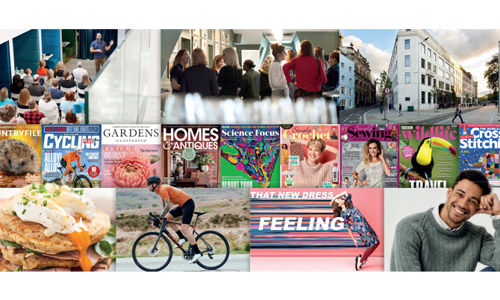
With the arrival of AI and the widespread availability of unattributable content, specialist publishers need to ensure that their titles are the trusted go-to brands in their sectors, Our Media’s Andy Marshall tells Ciar Byrne.
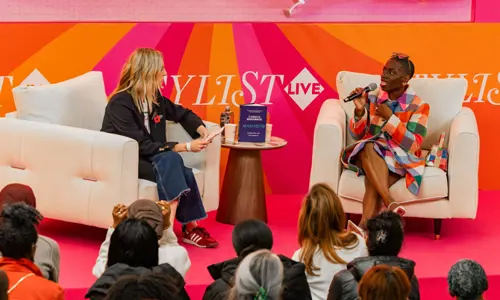
Stylist’s mission has been clear from day one: to engage with its female audience in an intelligent, positive and non-exploitative way. 16 years on, and current PPA Media Brand of the Year, they are staying true to those values, says Lisa Smosarski.
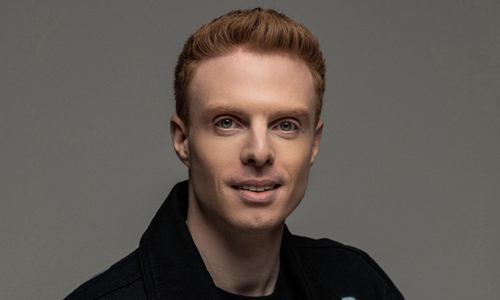
Gay Times was stuck in a rut, tied to its traditional publishing model and reaching only a small part of the LGBTQ+ community. Under the editorship of Lewis Corner, that began to change, as he explains to Ciar Byrne.

Whatever the rest of 2024 holds, two things are certain. Firstly, the bumpy economic ride will continue. Secondly, the need for media companies to have a broad base of revenue streams has never been more important or more challenging to achieve.
How do you create a specialist consumer media business that is fit for the future? What steps do you need to take to be resilient and flexible as audiences and technology evolve? Carolyn Morgan researched 20 innovators from across Europe to find out.
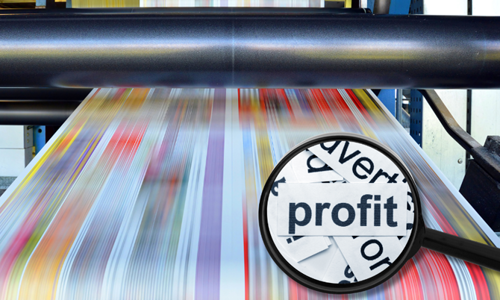
For many publishers, circulation is all about chasing volume, but they would be much better off chasing profitability, says Natalie Smith, client relationship manager at Warners.

Poool has signed a definitive agreement to be acquired by Darwin CX.

FT Strategies introduces its Advisory Partners network to help clients navigate strategic challenges and accelerate transformation.

FFAIR expands its Recommended Supplier Programme with Air Business as first event Logistics Partner.

Harper’s Bazaar UK announces its 2026 International Women’s Day celebration in partnership with Irwin Mitchell.

London Review of Books has selected CDS Global as its subscription management partner.

Time Out has officially launched its UK YouTube channel, marking a new chapter in the brand’s continued expansion across video and social platforms.

Charlotte Dewar, chief executive of IPSO, sees the organisation’s role as protecting both the public and journalists, through an ongoing raising of standards. She tells Ray Snoddy that, despite calls for Leveson 2, self-regulation is working.

For publishers, writes Sajeeda Merali, CEO of the PPA, 2025 marked the moment when artificial intelligence moved decisively from the margins, reshaping how our audiences discover, consume and value content.

Publishers should heed the saying, ‘prepare for the worst, hope for the best’, because, as Dickon Ross says, the ‘worst’ must be just around the corner.

Philip Collins, the new editor of Prospect, tells Phil Clark about his plans to develop a clearer voice and broader reach for the political magazine.

Cunning plans. Strategic visions. New organisational structures. These are all critically important for business success. Yet, without an inner resilience and self-belief, the company and the individuals within it are destined to fail.

What should traditional media brands do about the individual influencers and creators capturing the attention of their audiences? The response of Future, as Jason Orme tells Ciar Byrne, is to join forces…

In a world where AI overviews are cannibalising brands’ content and algorithms are keeping audiences hooked on social media platforms, says Dominic Lobley, could purpose-led content help publishers retain a real competitive edge?

In this world awash with mis and disinformation, publishers need to invest in trusted content, says Andy Marshall.

Holding onto the audiences we already have is just as critical as finding new ones! This is how to do it, says Warners’ Natalie Smith.
