News
The Ozone Project appoints Martin Harriman
The Ozone Project has appointed Martin Harriman as its first-ever Chair in a move that the organisation says will further boost its strategic direction and commercial success.


The newspaper business was built for a world where one product served everyone and advertising paid for most of it. That model has gone. What replaces it is still being worked out title by title, from national groups to weeklies covering a single town.
Reader revenue is the clearest shift. Even Reach, which argued for free access for years, now puts some of its journalism behind a paywall, and the regional titles doing best changed their newsrooms before they asked anyone to pay. Ownership keeps changing too. National World rebuilt local editorships after years of centralisation, and the Observer is being reinvented as a premium print and digital title under new owners.
The strongest publishers understand the difference because they are not trying to be everything to everyone. They are trying to be essential to someone.
Chris Sherrard News media
Local news is where the pressure shows most. Millions of people now live without a dedicated local title, and new reader-funded and membership startups are moving into the gaps. Platforms are pulling back from news at the same time, which leaves trust and a direct relationship with readers as the assets that matter most.
Print hasn't disappeared either. Well-run weeklies still hold on to their readers, with circulation falling slowly while digital audiences grow.
Below you'll find some of our best feature articles on news media, from reader revenue and newsroom change to ownership, local news and trust, alongside our latest news and industry commentary.

Where is the growth opportunity for today’s publishers? Douglas McCabe tracks how the commercial model has evolved over the past fifty years and examines whether a better understanding of what online audiences want, will help drive future growth.

We asked Chris Sherrard, editor-in-chief of The Irish News, what does best practice publishing look like in news media? This is what he said…
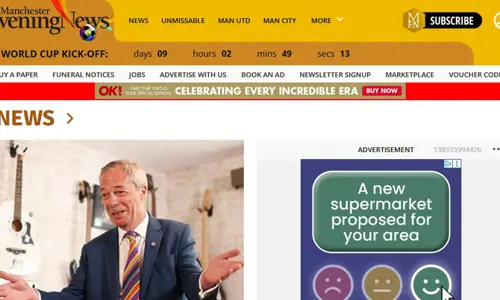
After years of resisting paywalls, Reach is now launching them across its titles. But David Higgerson, Reach’s chief content officer, carefully avoided the word ‘U-turn’ when interviewed by Steve Dyson.
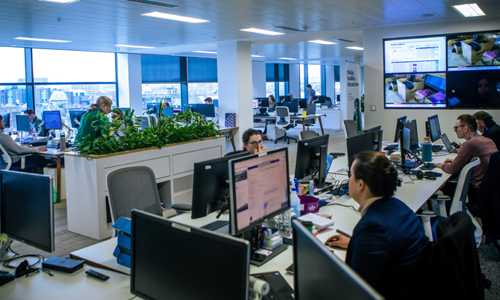
It’s one thing to think that readers should pay for your journalism, but the reality is that unless you improve your offering, then you will struggle to start charging for it, as DC Thomson Editor-in-Chief Frank O’Donnell tells Ciar Byrne.
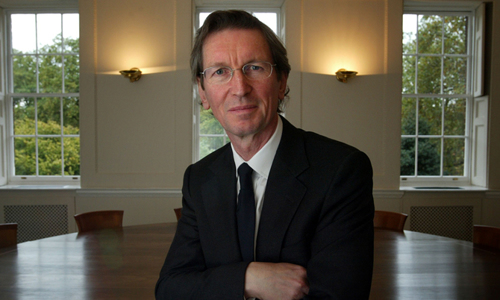
How can you edit a regional newspaper when you never visit the area you’re writing about? By filling it with generic content, an approach that National World’s David Montgomery, the new owner of JPI Media, is rapidly doing away with.
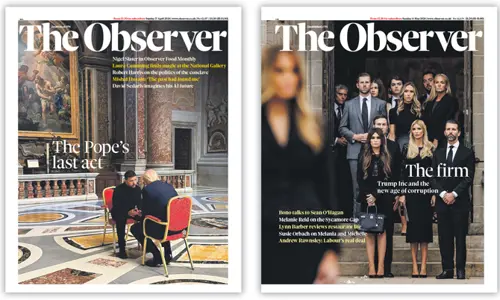
Ray Snoddy talks to Co-CEO Rich Furness about the thinking behind Tortoise Media’s acquisition of the world’s oldest Sunday newspaper and about their plans for its future.
What’s the outlook for national news media in 2024? Christian Broughton, CEO of The Independent, looks ahead.
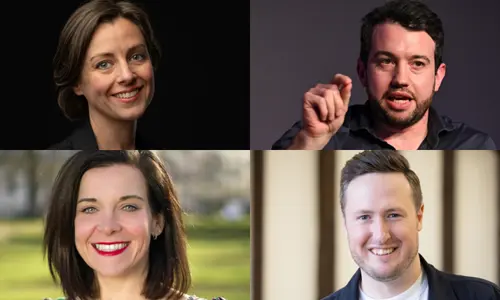
There is a new generation of entrepreneurs launching local media businesses, bringing with them new ideas on business models and funding. Phil Clark looks at some of the stand-out examples.

With Meta backing away from ‘news’ and AI accelerating the growth of disinformation, we need to redouble our efforts to safeguard access to quality journalism, says News Media Association Chief Executive Owen Meredith.
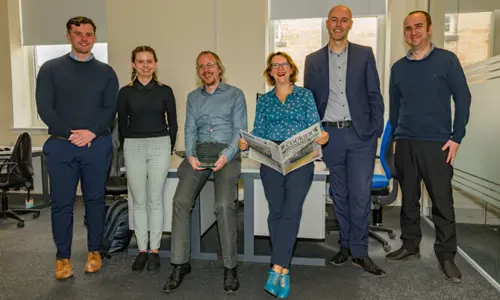
East Lothian is not just the best place to live – it has the best newsbrand too. Alan Geere heads over the border to find out what’s happening in the world of Scottish weeklies.

The Ozone Project has appointed Martin Harriman as its first-ever Chair in a move that the organisation says will further boost its strategic direction and commercial success.

Atex has been selected by the SIE Editorial Group to manage their multi-channel production print and web for L’Adige in Italy.

The Times has announced the launch of The Times Education Commission, a year-long project expected to inform government policy and to lead to radical change across schools and universities.

Newsquest, a local media group, has announced a major recruitment drive to hire 50 new Digital Sales Consultants as part of the ongoing expansion of its digital marketing activities.

Readly has teamed up with Samsung to offer customers of the newly launched Galaxy S21 5G Series the Readly subscription through ‘Samsung Boost’.

This week, The Telegraph celebrates 25 years of its subscription model.

Harry talks mental health, under-reporting of critical court rulings, non-exclusive exclusives, on-point puns, Maddie on the front pages again and Brits abroad…

New internet laws were published last week in the draft Online Safety Bill to protect children online and tackle some of the worst abuses on social media, including racist hate crimes.

The Guardian and Manchester City Council last week unveiled a new commemorative plaque at 3 Cross St, marking the site of the Guardian’s offices in the city from 1841 to 1970.

PageSuite’s Edition platform is enabling The Hindu Group to offer readers another way to access a print replica of their daily editions.

MNA Media’s latest investment in its newspaper portfolio has seen the launch of a new weekly paper for Sutton Coldfield.

The Financial Times has launched Unhedged, a weekday Wall Street focused newsletter covering the world of markets and finance.

Readly has announced the election of Stefan Betzold to Readly's board of directors following its Annual General Meeting.

News UK’s Group Chief Commercial Officer Dominic Carter has been named as a top 20 Ethnic Minority Executive Role Model by EMpower.

Obituaries, mayoral election coverage, reaction to the Queen’s speech, and 200th anniversary celebrations all come under Liz Gerard’s scrutiny in the first of her new regular column.
