News
The Sun launches “Jabs Army” vaccine campaign
On 1st January, The Sun launched a campaign to urge Britain to join its “Jabs Army” to help the rollout of the Covid-19 vaccine.


The newspaper business was built for a world where one product served everyone and advertising paid for most of it. That model has gone. What replaces it is still being worked out title by title, from national groups to weeklies covering a single town.
Reader revenue is the clearest shift. Even Reach, which argued for free access for years, now puts some of its journalism behind a paywall, and the regional titles doing best changed their newsrooms before they asked anyone to pay. Ownership keeps changing too. National World rebuilt local editorships after years of centralisation, and the Observer is being reinvented as a premium print and digital title under new owners.
The strongest publishers understand the difference because they are not trying to be everything to everyone. They are trying to be essential to someone.
Chris Sherrard News media
Local news is where the pressure shows most. Millions of people now live without a dedicated local title, and new reader-funded and membership startups are moving into the gaps. Platforms are pulling back from news at the same time, which leaves trust and a direct relationship with readers as the assets that matter most.
Print hasn't disappeared either. Well-run weeklies still hold on to their readers, with circulation falling slowly while digital audiences grow.
Below you'll find some of our best feature articles on news media, from reader revenue and newsroom change to ownership, local news and trust, alongside our latest news and industry commentary.

Where is the growth opportunity for today’s publishers? Douglas McCabe tracks how the commercial model has evolved over the past fifty years and examines whether a better understanding of what online audiences want, will help drive future growth.

We asked Chris Sherrard, editor-in-chief of The Irish News, what does best practice publishing look like in news media? This is what he said…
After years of resisting paywalls, Reach is now launching them across its titles. But David Higgerson, Reach’s chief content officer, carefully avoided the word ‘U-turn’ when interviewed by Steve Dyson.
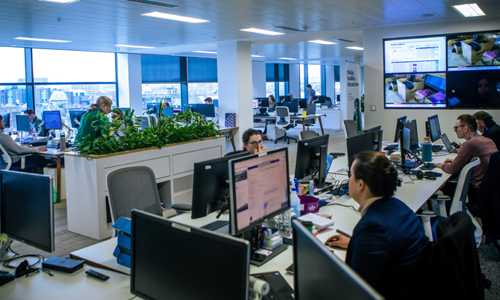
It’s one thing to think that readers should pay for your journalism, but the reality is that unless you improve your offering, then you will struggle to start charging for it, as DC Thomson Editor-in-Chief Frank O’Donnell tells Ciar Byrne.
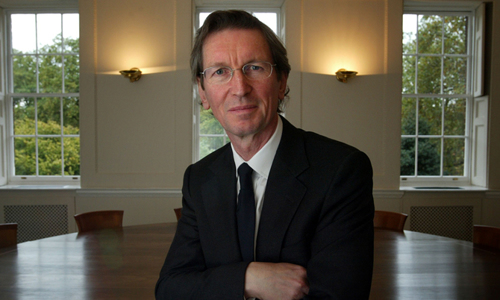
How can you edit a regional newspaper when you never visit the area you’re writing about? By filling it with generic content, an approach that National World’s David Montgomery, the new owner of JPI Media, is rapidly doing away with.
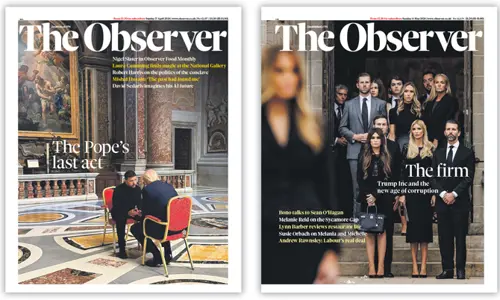
Ray Snoddy talks to Co-CEO Rich Furness about the thinking behind Tortoise Media’s acquisition of the world’s oldest Sunday newspaper and about their plans for its future.
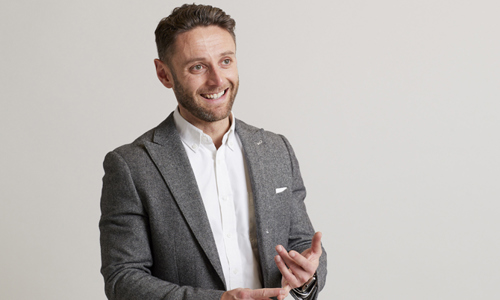
What’s the outlook for national news media in 2024? Christian Broughton, CEO of The Independent, looks ahead.
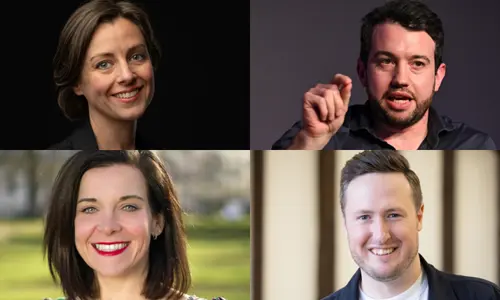
There is a new generation of entrepreneurs launching local media businesses, bringing with them new ideas on business models and funding. Phil Clark looks at some of the stand-out examples.

With Meta backing away from ‘news’ and AI accelerating the growth of disinformation, we need to redouble our efforts to safeguard access to quality journalism, says News Media Association Chief Executive Owen Meredith.
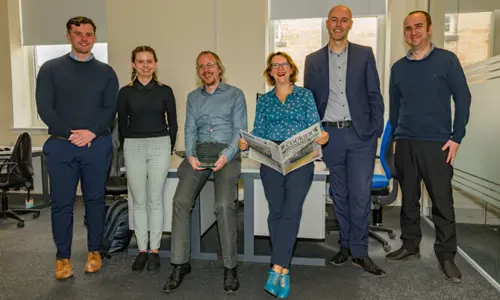
East Lothian is not just the best place to live – it has the best newsbrand too. Alan Geere heads over the border to find out what’s happening in the world of Scottish weeklies.

On 1st January, The Sun launched a campaign to urge Britain to join its “Jabs Army” to help the rollout of the Covid-19 vaccine.

The newly created roles will focus on reporting on the social, political and economic experiences of the UK’s diverse communities, with a particular focus on black, Asian and minority ethnic communities.

The Independent has announced the launch of Independent TV, bringing its audience news, arts, lifestyle, sports and more in video form.

PressReader, a newspaper and magazine platform, will now include Condé Nast’s media brands in its growing catalogue.

Mark Hix has joined The Telegraph as a columnist and will also be producing monthly recipes for the Saturday section.

The Evening Standard has announced that it has hit its £10m target for the Food for London Appeal and beamed the news onto St Paul's and Piccadilly Circus.

Reach plc has provided updates on the progress of its Customer Value Strategy, launched in February of this year.

The Guardian says it has gained 268,000 new digital subscriptions and recurring contributions over the last year, an increase of 43%.

Digital subscription services like Readly are popular ways of consuming magazines and newspapers. We grab five minutes with Readly’s Chris Couchman to talk about developments, past and present.

Guardian Weekend and gal-dem are renewing their partnership by collaborating on Weekend’s annual conversations special issue.

The Society of Editors has broadly welcomed the government’s proposals for new Online Harms regulations which aim to protect the public and also free speech in the UK.

JPI Media’s centralised approach to design, investigations and data journalism isn’t just about saving costs but driving innovation, writes Meg Carter.

It was a year dominated by the coronavirus which, while driving huge media audiences, played havoc with advertising and sales revenues as well as jobs. Jon Slattery chooses his quotes of the year.

It’s important to give children the news, says Nicky Cox, but equally important to listen to what they have to say about it. Meg Carter reports…

Quizzes are a great way of driving traffic to your site and increasing engagement. But subject matter, timing, tone and accuracy are all crucial. Get them wrong and expect a backlash. Martin Belam has some dos and don’ts for prospective quizmasters.
