NEWS
Guardian wins Amnesty International award for Windrush reporting
Amelia Gentleman honoured for exposing injustices inflicted on immigrant generation.


The newspaper business was built for a world where one product served everyone and advertising paid for most of it. That model has gone. What replaces it is still being worked out title by title, from national groups to weeklies covering a single town.
Reader revenue is the clearest shift. Even Reach, which argued for free access for years, now puts some of its journalism behind a paywall, and the regional titles doing best changed their newsrooms before they asked anyone to pay. Ownership keeps changing too. National World rebuilt local editorships after years of centralisation, and the Observer is being reinvented as a premium print and digital title under new owners.
The strongest publishers understand the difference because they are not trying to be everything to everyone. They are trying to be essential to someone.
Chris Sherrard News media
Local news is where the pressure shows most. Millions of people now live without a dedicated local title, and new reader-funded and membership startups are moving into the gaps. Platforms are pulling back from news at the same time, which leaves trust and a direct relationship with readers as the assets that matter most.
Print hasn't disappeared either. Well-run weeklies still hold on to their readers, with circulation falling slowly while digital audiences grow.
Below you'll find some of our best feature articles on news media, from reader revenue and newsroom change to ownership, local news and trust, alongside our latest news and industry commentary.

Where is the growth opportunity for today’s publishers? Douglas McCabe tracks how the commercial model has evolved over the past fifty years and examines whether a better understanding of what online audiences want, will help drive future growth.

We asked Chris Sherrard, editor-in-chief of The Irish News, what does best practice publishing look like in news media? This is what he said…
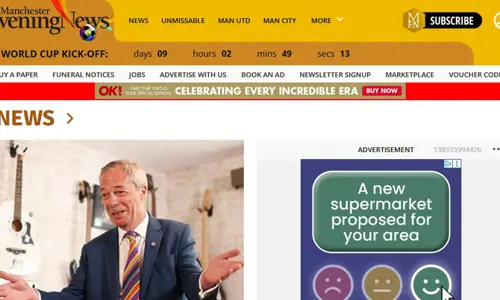
After years of resisting paywalls, Reach is now launching them across its titles. But David Higgerson, Reach’s chief content officer, carefully avoided the word ‘U-turn’ when interviewed by Steve Dyson.
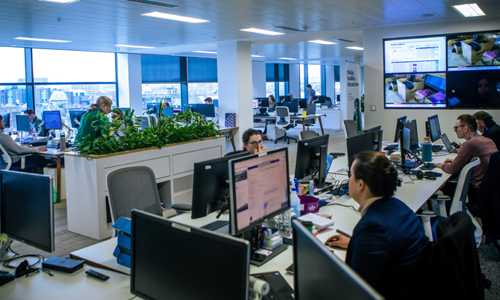
It’s one thing to think that readers should pay for your journalism, but the reality is that unless you improve your offering, then you will struggle to start charging for it, as DC Thomson Editor-in-Chief Frank O’Donnell tells Ciar Byrne.
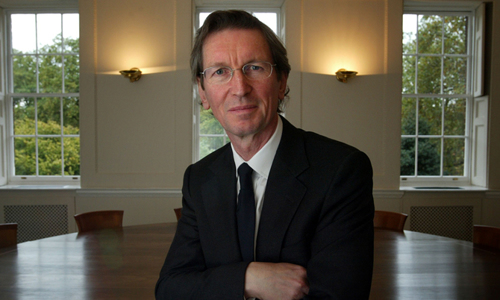
How can you edit a regional newspaper when you never visit the area you’re writing about? By filling it with generic content, an approach that National World’s David Montgomery, the new owner of JPI Media, is rapidly doing away with.
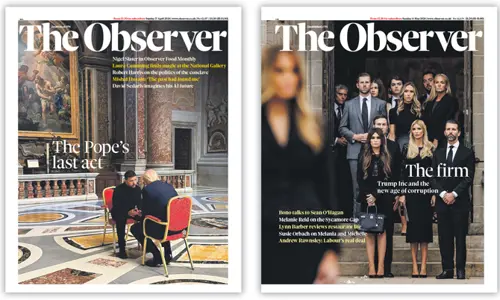
Ray Snoddy talks to Co-CEO Rich Furness about the thinking behind Tortoise Media’s acquisition of the world’s oldest Sunday newspaper and about their plans for its future.
What’s the outlook for national news media in 2024? Christian Broughton, CEO of The Independent, looks ahead.
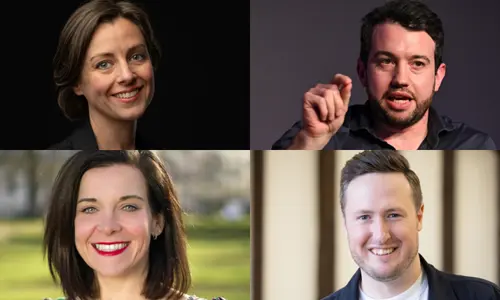
There is a new generation of entrepreneurs launching local media businesses, bringing with them new ideas on business models and funding. Phil Clark looks at some of the stand-out examples.

With Meta backing away from ‘news’ and AI accelerating the growth of disinformation, we need to redouble our efforts to safeguard access to quality journalism, says News Media Association Chief Executive Owen Meredith.
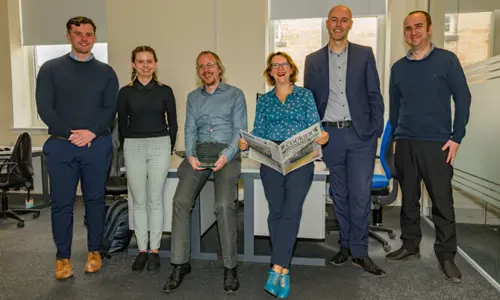
East Lothian is not just the best place to live – it has the best newsbrand too. Alan Geere heads over the border to find out what’s happening in the world of Scottish weeklies.

Amelia Gentleman honoured for exposing injustices inflicted on immigrant generation.

The Times was crowned the Daily Newspaper of the Year, with The Sunday Times taking the Sunday Newspaper of the Year title, at the National Press Awards.

Janine Gibson, formerly of Buzzfeed and the Guardian, is to join the editorial leadership team at the Financial Times.

The Financial Times has reached a record paying readership of one million; a key strategic goal for the title.

Newsworks has announced that Vanessa Clifford is stepping down from her role as CEO at the end of March.

James Evelegh attends ESco Connect and comes away with six tips for increasing renewal rates.

NFRN has accused the publisher of the Daily Express of turning news stockists into April fools after announcing that it is raising the cover price but reducing the retailer margin.

97% of local news editors worry that the powerful are no longer being held to account, according to a new survey published in Index on Censorship magazine.

The Society of Editors has written to the government to express its concerns over a report that new regulations to prevent Online Harm could damage press freedom in the UK.

Hugh McIlvanney, who died earlier this year, is widely regarded as the outstanding sportswriter of his generation, and will see an award named after him.

Apple has announced Apple News+, a new subscription service that brings together over 300 magazines, newspapers and digital publications.

The newspaper industry has a great story to tell but is too complex and fragmented to tell it! To counter the threat of Facebook and Google, the industry needs a clear and confident message and to shout it loud. Tracy De Groose, the new chair of News

Journalists often wear their battle scars with pride. Thick-skinned tabloid hacks adopted the Millwall mantra, “no one likes us, we don’t care”. But now, the mood is much darker.

‘Going viral’, ‘viral campaigns’ and ‘virality’ are all words and phrases that have entered the digital publishing lexicon in recent years. But what makes a story go viral? And what do publishers have to gain, or fear, from it? Martin Belam reports.

No one doubts publishers’ creativity. The challenge publishers face is monetising that creativity in a world of hugely increased competition. As PCS’s Simon Weare tells James Evelegh, good & agile systems are a key enabler of successful publishing.
