INTERVIEW
Monetising trusted relationships
Consumer magazine media has a bright future, James Wildman tells Meg Carter, because of the substantial opportunities to build new revenue streams on the back of deep reader engagement.


Consumer magazines spent most of the past two decades managing decline. The more confident publishers have stopped doing that. Newsstand sales and print advertising are still shrinking, but well-made titles with loyal readers are raising cover prices and growing.
Scale matters less than it did. Bauer has made Grazia a more premium product and charged more for it, while independents such as Anthem have put print back at the centre of the business and grown their export sales. Stylist has changed format several times without losing its readers. Others have gone the other way, and Gay Times dropped print entirely to build a global audience online.
For most consumer publishers, print is our USP. It’s the anchor that makes advertisers trust us and the very thing that readers want from us.
Jon Bickley Our print strategy: Anthem
Behind the confidence sits some hard arithmetic. Newstrade is now a small share of revenue and events and ecommerce are growing from a low base. Trust has become a selling point as AI fills the web with content of uncertain origin, but the paid-for consumer model that works at scale is still being worked out.
Below you'll find some of our best feature articles on consumer magazines, from premium print and cover pricing to brand extensions, membership and the future of specialist titles, alongside our latest news and industry commentary.

For a while now, magazine publishers have been on the defensive, unsure about the viability of their traditional business model in a fast-changing world. Katie Vanneck-Smith wants to change all that.

We asked Tamar Riley, portfolio managing director at Immediate, what does best practice publishing look like in consumer media? This is what she said…
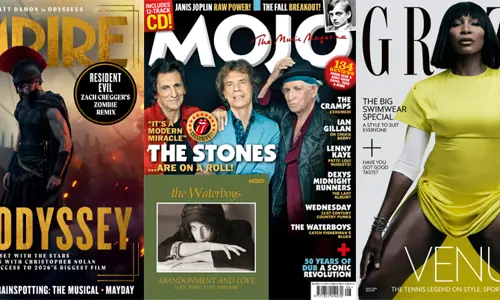
For premium titles like Grazia, Mojo and Empire, growth is increasingly coming not from extending reach but from deepening engagement with existing passionate audiences, as Lauren Holleyoake tells Ciar Byrne.
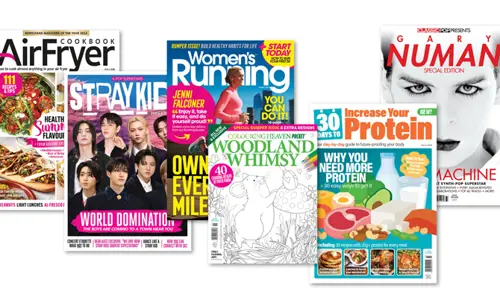
The printed magazine will be a cherished part of people’s lives for years to come, says Jon Bickley, co-founder and CEO. That is why it’s the key component in Anthem’s publishing strategy.
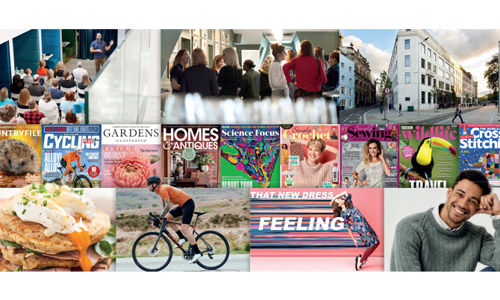
With the arrival of AI and the widespread availability of unattributable content, specialist publishers need to ensure that their titles are the trusted go-to brands in their sectors, Our Media’s Andy Marshall tells Ciar Byrne.
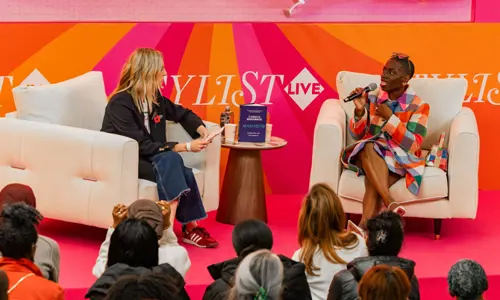
Stylist’s mission has been clear from day one: to engage with its female audience in an intelligent, positive and non-exploitative way. 16 years on, and current PPA Media Brand of the Year, they are staying true to those values, says Lisa Smosarski.
Gay Times was stuck in a rut, tied to its traditional publishing model and reaching only a small part of the LGBTQ+ community. Under the editorship of Lewis Corner, that began to change, as he explains to Ciar Byrne.

Whatever the rest of 2024 holds, two things are certain. Firstly, the bumpy economic ride will continue. Secondly, the need for media companies to have a broad base of revenue streams has never been more important or more challenging to achieve.
How do you create a specialist consumer media business that is fit for the future? What steps do you need to take to be resilient and flexible as audiences and technology evolve? Carolyn Morgan researched 20 innovators from across Europe to find out.
For many publishers, circulation is all about chasing volume, but they would be much better off chasing profitability, says Natalie Smith, client relationship manager at Warners.

Consumer magazine media has a bright future, James Wildman tells Meg Carter, because of the substantial opportunities to build new revenue streams on the back of deep reader engagement.

For Peter Johns, managing director at WW Magazines – publishers of Waterways World and Self Build & Design magazines – numbers have always underpinned his approach to publishing, writes James Evelegh.

Bicycles might have been around for 200 years but they are still in fashion for exercise, transport and fun. Alan Geere takes a tour round the cycling magazines on offer.

The digital advertising market is huge, which is exciting, and the duopoly takes an enormous share of it, which is not. James Evelegh looks at what publishers are doing about it.

Immediate Media’s revenue strategy proves the sector is once more a great place to be – but only for those who adapt and diversify, writes Meg Carter.

Podcasting is an incredibly intimate medium that can add an exciting new dimension to your output. But, writes Meg Carter, you need to set realistic expectations and plan properly.

As a professional publisher of a traditionally printed brand, you will need to quickly adjust to a new landscape if you’ve suddenly found yourself focused on or even fully pivoting to a digital distribution strategy.

The pandemic has accelerated the need for digital transformation. And going digital can bring cost savings and new revenue, writes Full Fat Things’ Stewart Robinson.

Bauer Academy has announced the launch of its new training programme ‘Junior Advertising Creative’, which will be delivered to Ogilvy UK’s apprentices in a programme branded ‘The Pipe’.

VICE Media Group has released its annual Diversity, Equity and Inclusion Report for 2020, showing an increase in the number of underrepresented groups across the business.

Cyclist, Dennis’ monthly magazine for people who are passionate about road cycling, has launched a competition for readers to design their own cycling jersey.

The pandemic has forced publishers to be more creative with their newsstand strategies. The good news is that sales opportunities still exist and that, as we emerge from lockdown, they will increase, says Marketforce’s Joel Griffiths.

‘Puzzler Presents… Picture Puzzles for Mindfulness’ is the third title in a new puzzle series from Puzzler Media, which looks to seamlessly combine puzzles and activities with specialist topics.

Future plc this week announces the acquisition of Mozo, a leading Australian personal finance comparison site.

A consortium including former BBC Director General Mark Thompson and ex-Financial Times editor Lionel Barber has bought The New European.
