News
Future releases preliminary results
On Friday, Future announced its preliminary results for the 2015 financial year to the London Stock Exchange.


Consumer magazines spent most of the past two decades managing decline. The more confident publishers have stopped doing that. Newsstand sales and print advertising are still shrinking, but well-made titles with loyal readers are raising cover prices and growing.
Scale matters less than it did. Bauer has made Grazia a more premium product and charged more for it, while independents such as Anthem have put print back at the centre of the business and grown their export sales. Stylist has changed format several times without losing its readers. Others have gone the other way, and Gay Times dropped print entirely to build a global audience online.
For most consumer publishers, print is our USP. It’s the anchor that makes advertisers trust us and the very thing that readers want from us.
Jon Bickley Our print strategy: Anthem
Behind the confidence sits some hard arithmetic. Newstrade is now a small share of revenue and events and ecommerce are growing from a low base. Trust has become a selling point as AI fills the web with content of uncertain origin, but the paid-for consumer model that works at scale is still being worked out.
Below you'll find some of our best feature articles on consumer magazines, from premium print and cover pricing to brand extensions, membership and the future of specialist titles, alongside our latest news and industry commentary.

For a while now, magazine publishers have been on the defensive, unsure about the viability of their traditional business model in a fast-changing world. Katie Vanneck-Smith wants to change all that.

We asked Tamar Riley, portfolio managing director at Immediate, what does best practice publishing look like in consumer media? This is what she said…
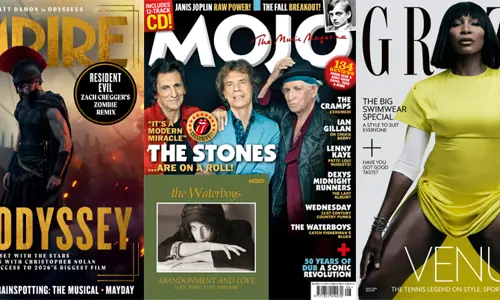
For premium titles like Grazia, Mojo and Empire, growth is increasingly coming not from extending reach but from deepening engagement with existing passionate audiences, as Lauren Holleyoake tells Ciar Byrne.
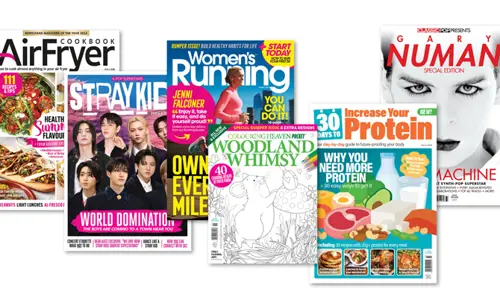
The printed magazine will be a cherished part of people’s lives for years to come, says Jon Bickley, co-founder and CEO. That is why it’s the key component in Anthem’s publishing strategy.
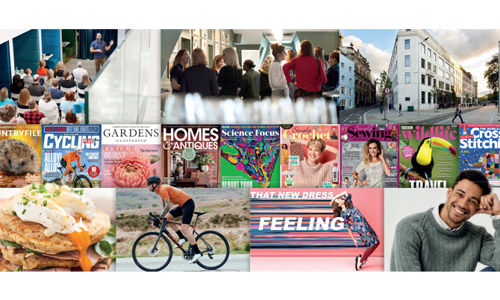
With the arrival of AI and the widespread availability of unattributable content, specialist publishers need to ensure that their titles are the trusted go-to brands in their sectors, Our Media’s Andy Marshall tells Ciar Byrne.
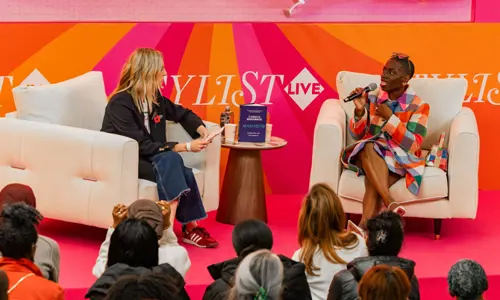
Stylist’s mission has been clear from day one: to engage with its female audience in an intelligent, positive and non-exploitative way. 16 years on, and current PPA Media Brand of the Year, they are staying true to those values, says Lisa Smosarski.
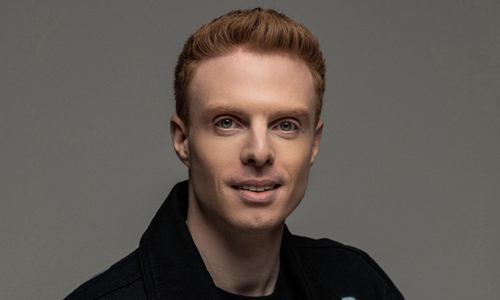
Gay Times was stuck in a rut, tied to its traditional publishing model and reaching only a small part of the LGBTQ+ community. Under the editorship of Lewis Corner, that began to change, as he explains to Ciar Byrne.
Whatever the rest of 2024 holds, two things are certain. Firstly, the bumpy economic ride will continue. Secondly, the need for media companies to have a broad base of revenue streams has never been more important or more challenging to achieve.
How do you create a specialist consumer media business that is fit for the future? What steps do you need to take to be resilient and flexible as audiences and technology evolve? Carolyn Morgan researched 20 innovators from across Europe to find out.
For many publishers, circulation is all about chasing volume, but they would be much better off chasing profitability, says Natalie Smith, client relationship manager at Warners.

On Friday, Future announced its preliminary results for the 2015 financial year to the London Stock Exchange.

Software developer PCS has formed a partnership with Creative Workflows – an independent publishing consultancy firm, created and driven by magazine industry veteran, Sean Briggs.

FourFourTwo and Haymarket Network have launched Football Inc., a bespoke football agency service designed to work with any stakeholder in the world’s most popular game.

The world's oldest theatre publication, The Stage, marked the completion of a raft of improvements on November 26, 2015, with a relaunch of the weekly in print.

Future plc’s websites, including techradar and GamesRadar+, are set to curate the best deals in tech and gaming for 2015’s Black Friday weekend and Cyber Monday.

Haymarket Consumer Media will welcome back Will Findlater as the Editor-in-Chief of its Creative Solutions branded content team.

The Condé Nast Center of Fashion & Design in Shanghai opens its door this week.

Former WPP executive Jonathan Tom has been appointed by programmatic media specialists RadiumOne to head up their Mobile Programmatic offering across EMEA.

Dennis Publishing is celebrating a rare double after being named Digital Publisher of the Year (Consumer Media) at the PPA Digital Awards for the second year in a row.

DMGT has reported underlying revenue growth of 1% to £1,845m in in the Group's unaudited Full Year preliminary results for the year ended 30 September 2015. Adjusted profit before tax of £281m is down 4%.

Hearst Magazines UK has appointed former Heat Editor Julian Linley as Editor-in-Chief of Digital Spy to relaunch the brand.

It’s been a tumultuous couple of years for one of the UK’s biggest magazine publishers; new name, new branding, new CEO. But as Marcus Rich tells Jo Bowman, “now is our time”. Looking forward, he is confident that great content will prove to be the l

Editors nowadays have to produce more content, across more platforms, but with less resource. They have to be both commercial and creative, to continue taking full responsibility, whilst ceding total control. It’s pressured, writes Claire Irvin, but

The move to mobile should not be taking us by surprise. The writing has been on the wall for years, yet, as an industry, we continue to be wrong-footed by developments in the mobile space. Martin Belam urges publishers to eat, sleep and breathe mobil

While politics aren't the business of this column, writes Karlene Lukovitz, the political arena is where the most important ramifications of the media revolution are becoming evident.
