CASE STUDY
Media Pioneer Awards 2013: Songlines
Songlines, the world music magazine, has been growing its flagship Songlines Music Awards, building new media partnerships and launching on tablet, writes Carolyn Morgan.


Consumer magazines spent most of the past two decades managing decline. The more confident publishers have stopped doing that. Newsstand sales and print advertising are still shrinking, but well-made titles with loyal readers are raising cover prices and growing.
Scale matters less than it did. Bauer has made Grazia a more premium product and charged more for it, while independents such as Anthem have put print back at the centre of the business and grown their export sales. Stylist has changed format several times without losing its readers. Others have gone the other way, and Gay Times dropped print entirely to build a global audience online.
For most consumer publishers, print is our USP. It’s the anchor that makes advertisers trust us and the very thing that readers want from us.
Jon Bickley Our print strategy: Anthem
Behind the confidence sits some hard arithmetic. Newstrade is now a small share of revenue and events and ecommerce are growing from a low base. Trust has become a selling point as AI fills the web with content of uncertain origin, but the paid-for consumer model that works at scale is still being worked out.
Below you'll find some of our best feature articles on consumer magazines, from premium print and cover pricing to brand extensions, membership and the future of specialist titles, alongside our latest news and industry commentary.

For a while now, magazine publishers have been on the defensive, unsure about the viability of their traditional business model in a fast-changing world. Katie Vanneck-Smith wants to change all that.

We asked Tamar Riley, portfolio managing director at Immediate, what does best practice publishing look like in consumer media? This is what she said…
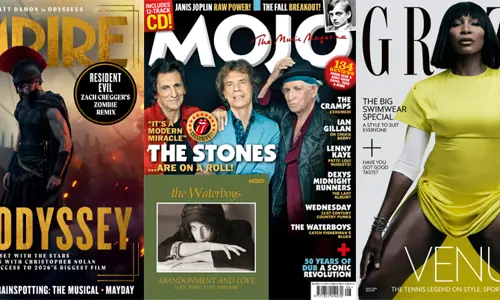
For premium titles like Grazia, Mojo and Empire, growth is increasingly coming not from extending reach but from deepening engagement with existing passionate audiences, as Lauren Holleyoake tells Ciar Byrne.
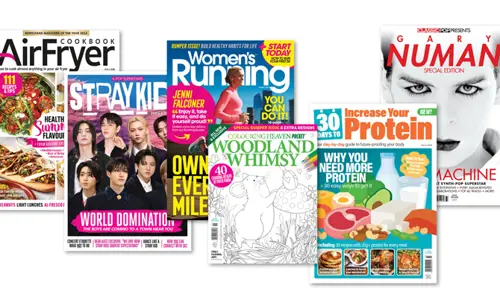
The printed magazine will be a cherished part of people’s lives for years to come, says Jon Bickley, co-founder and CEO. That is why it’s the key component in Anthem’s publishing strategy.
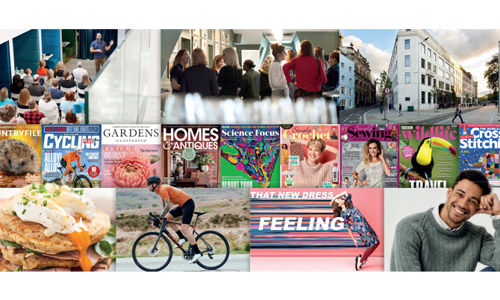
With the arrival of AI and the widespread availability of unattributable content, specialist publishers need to ensure that their titles are the trusted go-to brands in their sectors, Our Media’s Andy Marshall tells Ciar Byrne.
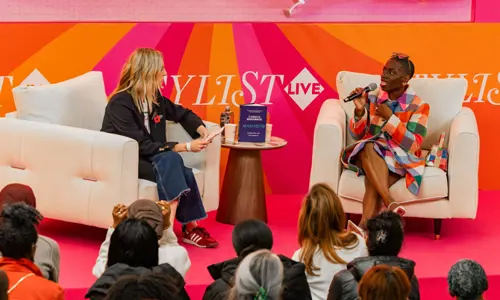
Stylist’s mission has been clear from day one: to engage with its female audience in an intelligent, positive and non-exploitative way. 16 years on, and current PPA Media Brand of the Year, they are staying true to those values, says Lisa Smosarski.

Gay Times was stuck in a rut, tied to its traditional publishing model and reaching only a small part of the LGBTQ+ community. Under the editorship of Lewis Corner, that began to change, as he explains to Ciar Byrne.

Whatever the rest of 2024 holds, two things are certain. Firstly, the bumpy economic ride will continue. Secondly, the need for media companies to have a broad base of revenue streams has never been more important or more challenging to achieve.
How do you create a specialist consumer media business that is fit for the future? What steps do you need to take to be resilient and flexible as audiences and technology evolve? Carolyn Morgan researched 20 innovators from across Europe to find out.
For many publishers, circulation is all about chasing volume, but they would be much better off chasing profitability, says Natalie Smith, client relationship manager at Warners.

Songlines, the world music magazine, has been growing its flagship Songlines Music Awards, building new media partnerships and launching on tablet, writes Carolyn Morgan.

The British Journal of Photography (BJP) has grown its readership worldwide twenty-five fold since launching its iPad app. App subscribers now surpass print subscribers by over 70%, and the app is frequently highlighted as "New & noteworthy" in Apple

As specialist publishing becomes more and more about reaching an audience across digital, live, social and print channels, so niche consumer and B2B publishers must rethink where their revenue comes from and how they grow their business. Carolyn Morg

Most media conferences these days tend to focus on describing the problems facing publishers and media businesses, rather than actually providing ideas on how their leaders can deal with it all. The Digital Media Strategies summit, organised by the M

The women’s weeklies market is suffering. Titles that once sold in their millions are now reduced to shadows of their former circulation glory. How has it come to this, asks Peter Jackson, and can anything be done to arrest the decline?

Publishers are closing down or selling off marginal magazines as part of the continuing cost cutting drive. Are we risking throwing the baby out with the bathwater? Ross Sturley thinks we might be.

Stunning as Time Warner’s spinoff of Time Inc is, it’s inadvisable to hold your breath waiting for print to disappear, writes Karlene Lukovitz.

David Hepworth's regular column, in the March / April 2013 issue of InPublishing magazine.

Web visitors are like horses, says copywriter Andy Maslen. You can lead them to water but you can’t (always) get them to drink. Here are his 25 top tips to convert visitors into customers.

Given that the iPad is only just approaching its third birthday, it comes as no surprise that a lack of data about tablet usage is one of the main inhibitors to commercial growth for publishers. Jo Bowman talks to leading commercial executives about

In general, the circulation of printed magazines is down. But the point is, says Jamie Higginson, it really doesn’t matter. Publishers shouldn’t be stressing particularly over the performance of one of their platforms, but should see it all as part o

Let’s face it; UK publishers have had a challenging four years. What can publishers do to improve their chances in a multi-media world? Invest in training to give their journalists the tools they need to become their strongest brand ambassadors, writ

Publishers have wrestled with the challenge of how to monetise their websites since the very inception of the world wide web. Most have experimented with ad funded models, paywalls or a mix of the two. Over the years, Autosport has tried almost every

The latest addition to the 2013 Media Pioneers shortlist, writes Carolyn Morgan, is independent music publisher Rock Sound, who have used Google Hangouts to grow both their online followers and their print copy sales.

This week, Peter Houston presented InPublishing’s first ever webinar, entitled ‘A new golden age of print? Lessons from the independent magazine scene.’ In the Q&A session that followed Peter’s presentation, we ran out of time before all the question
