FEATURE
A new era of publishing?
Andrew Perry-Smith, Managing Director of Linkz, talks about the advancement of technology in publishing and the editorial and advertising opportunities created through its adoption.


Consumer magazines spent most of the past two decades managing decline. The more confident publishers have stopped doing that. Newsstand sales and print advertising are still shrinking, but well-made titles with loyal readers are raising cover prices and growing.
Scale matters less than it did. Bauer has made Grazia a more premium product and charged more for it, while independents such as Anthem have put print back at the centre of the business and grown their export sales. Stylist has changed format several times without losing its readers. Others have gone the other way, and Gay Times dropped print entirely to build a global audience online.
For most consumer publishers, print is our USP. It’s the anchor that makes advertisers trust us and the very thing that readers want from us.
Jon Bickley Our print strategy: Anthem
Behind the confidence sits some hard arithmetic. Newstrade is now a small share of revenue and events and ecommerce are growing from a low base. Trust has become a selling point as AI fills the web with content of uncertain origin, but the paid-for consumer model that works at scale is still being worked out.
Below you'll find some of our best feature articles on consumer magazines, from premium print and cover pricing to brand extensions, membership and the future of specialist titles, alongside our latest news and industry commentary.

For a while now, magazine publishers have been on the defensive, unsure about the viability of their traditional business model in a fast-changing world. Katie Vanneck-Smith wants to change all that.

We asked Tamar Riley, portfolio managing director at Immediate, what does best practice publishing look like in consumer media? This is what she said…
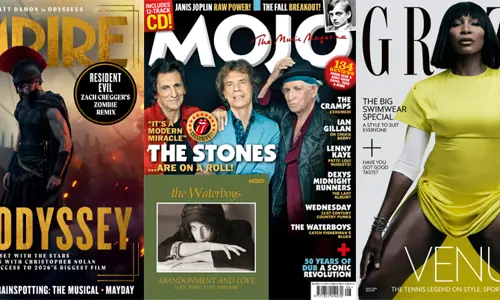
For premium titles like Grazia, Mojo and Empire, growth is increasingly coming not from extending reach but from deepening engagement with existing passionate audiences, as Lauren Holleyoake tells Ciar Byrne.
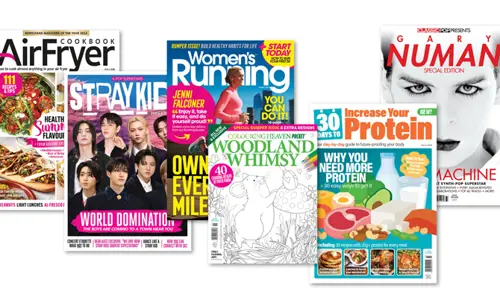
The printed magazine will be a cherished part of people’s lives for years to come, says Jon Bickley, co-founder and CEO. That is why it’s the key component in Anthem’s publishing strategy.
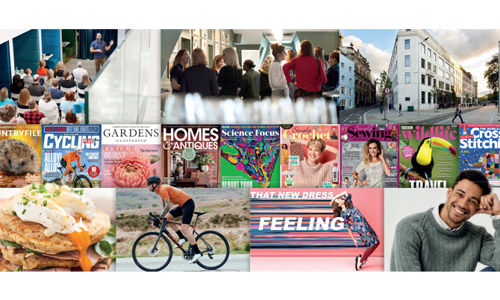
With the arrival of AI and the widespread availability of unattributable content, specialist publishers need to ensure that their titles are the trusted go-to brands in their sectors, Our Media’s Andy Marshall tells Ciar Byrne.
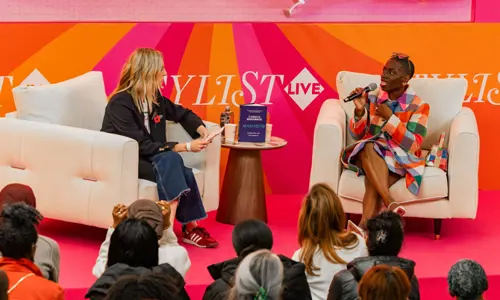
Stylist’s mission has been clear from day one: to engage with its female audience in an intelligent, positive and non-exploitative way. 16 years on, and current PPA Media Brand of the Year, they are staying true to those values, says Lisa Smosarski.

Gay Times was stuck in a rut, tied to its traditional publishing model and reaching only a small part of the LGBTQ+ community. Under the editorship of Lewis Corner, that began to change, as he explains to Ciar Byrne.
Whatever the rest of 2024 holds, two things are certain. Firstly, the bumpy economic ride will continue. Secondly, the need for media companies to have a broad base of revenue streams has never been more important or more challenging to achieve.
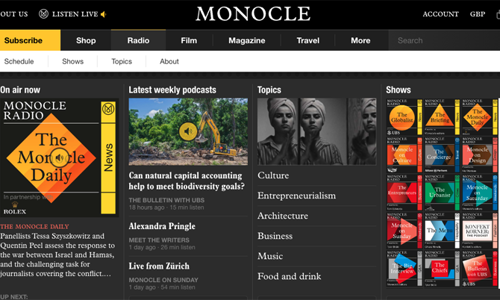
How do you create a specialist consumer media business that is fit for the future? What steps do you need to take to be resilient and flexible as audiences and technology evolve? Carolyn Morgan researched 20 innovators from across Europe to find out.
For many publishers, circulation is all about chasing volume, but they would be much better off chasing profitability, says Natalie Smith, client relationship manager at Warners.

Andrew Perry-Smith, Managing Director of Linkz, talks about the advancement of technology in publishing and the editorial and advertising opportunities created through its adoption.

Publishers need to ensure that they are not losing sight of the value of their editorial teams in their efforts to monetise content, writes Fiona Salmon.

This week saw the publication of a landmark report entitled ‘Advertising Pays: How Advertising Fuels the UK Economy’. The report was prepared by Deloitte for the Advertising Association and launched at their second annual LEAD summit in London. Marti

Dovetail held its fifth annual client conference on 24 January at Royal Mint Court, near the Tower of London. James Evelegh went along to listen to an impressive line-up of speakers giving their thoughts on the future of publishing.

Spyro Korsanos, CEO at Mediasyndicator, discusses why publishers and advertisers need to co-operate to manage the hype behind automated advertising technologies and ensure the value of human judgement does not become underestimated.

Few publishers have embraced the digital revolution as wholeheartedly as Future. One of the first to spot the potential of the iPad, the company has been at the forefront of tablet publishing and has worked hard to realign itself for the digital age.

The latest IAB/PWC Mobile Adspend report shows a sector in rapid growth. Alex Kozloff looks at the main findings of the report and their implications for publishers.

Is drawing lines between editorial content and commercialism as outmoded as standalone print magazines? Magazine publishers’ decisions on this score are complex, and demand serious consideration, given the potential implications for their long-term f

The publishing industry is going through a revolution. The old order – the world of printed matter – is giving way to the new. Some heads will roll and some already have. But, writes Lorraine Ruckstuhl, those companies that see the limitless possibil

For publishers, truly, the only constant is change. Seismic upheaval has characterised the recent past and will characterise the foreseeable future. Ryan O’Meara embraces change, but says that publishers should be crystal clear about their criteria b

Publishing has always been associated with thought-provoking sentences, attention-grabbing headlines and heart-tugging photographs. Social media should have been a natural transition for marketers in the publishing industry, but, writes Amanda MacArt

The Specialist Media Show ran its first fully online event in November, bringing together publishing and media experts from both sides of the Atlantic to share practical ideas. Carolyn Morgan listened in.

Just over a year ago, private equity company Exponent acquired BBC Magazines and merged it with Magicalia and Origin to create Immediate Media Co – a major new player in the magazine marketplace. Meg Carter talks to chief executive Tom Bureau about t

Have you heard of marketing automation software? If not, you soon will. It’s possibly the answer to the challenges facing marketers who are trying to carry out multi-channel marketing in a complex data environment and business is booming for these ve

It might not come as much of a surprise, but media buyers have a pretty dim view of multi-packing. MediaCom’s Charlotte Goddard explains why bundling two or three titles together at retail is bad for media buyers, advertisers, and also, ultimately, f
