COLUMN
Off The Page – David Hepworth on magazines and beyond
David Hepworth's regular column, in the January / February 2013 issue of InPublishing magazine.


Consumer magazines spent most of the past two decades managing decline. The more confident publishers have stopped doing that. Newsstand sales and print advertising are still shrinking, but well-made titles with loyal readers are raising cover prices and growing.
Scale matters less than it did. Bauer has made Grazia a more premium product and charged more for it, while independents such as Anthem have put print back at the centre of the business and grown their export sales. Stylist has changed format several times without losing its readers. Others have gone the other way, and Gay Times dropped print entirely to build a global audience online.
For most consumer publishers, print is our USP. It’s the anchor that makes advertisers trust us and the very thing that readers want from us.
Jon Bickley Our print strategy: Anthem
Behind the confidence sits some hard arithmetic. Newstrade is now a small share of revenue and events and ecommerce are growing from a low base. Trust has become a selling point as AI fills the web with content of uncertain origin, but the paid-for consumer model that works at scale is still being worked out.
Below you'll find some of our best feature articles on consumer magazines, from premium print and cover pricing to brand extensions, membership and the future of specialist titles, alongside our latest news and industry commentary.

For a while now, magazine publishers have been on the defensive, unsure about the viability of their traditional business model in a fast-changing world. Katie Vanneck-Smith wants to change all that.

We asked Tamar Riley, portfolio managing director at Immediate, what does best practice publishing look like in consumer media? This is what she said…
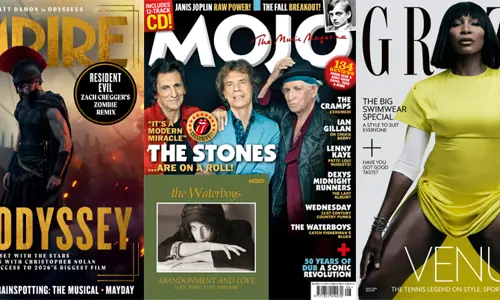
For premium titles like Grazia, Mojo and Empire, growth is increasingly coming not from extending reach but from deepening engagement with existing passionate audiences, as Lauren Holleyoake tells Ciar Byrne.
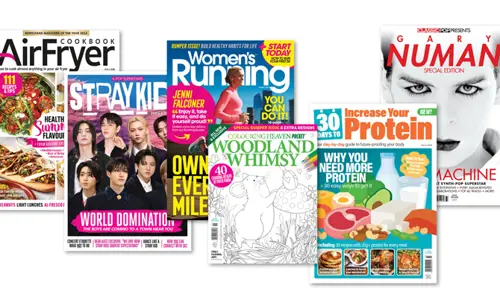
The printed magazine will be a cherished part of people’s lives for years to come, says Jon Bickley, co-founder and CEO. That is why it’s the key component in Anthem’s publishing strategy.
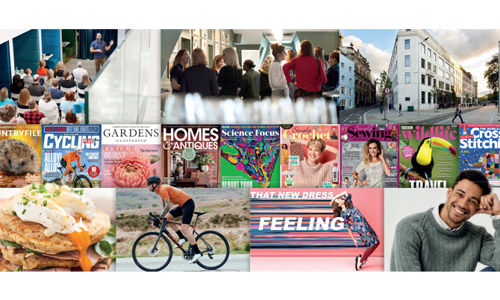
With the arrival of AI and the widespread availability of unattributable content, specialist publishers need to ensure that their titles are the trusted go-to brands in their sectors, Our Media’s Andy Marshall tells Ciar Byrne.
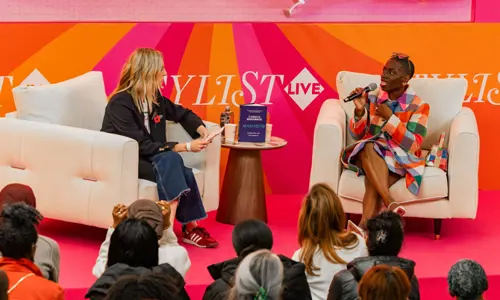
Stylist’s mission has been clear from day one: to engage with its female audience in an intelligent, positive and non-exploitative way. 16 years on, and current PPA Media Brand of the Year, they are staying true to those values, says Lisa Smosarski.
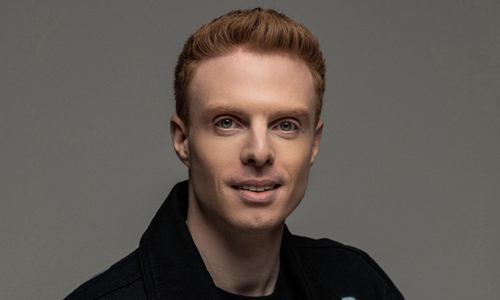
Gay Times was stuck in a rut, tied to its traditional publishing model and reaching only a small part of the LGBTQ+ community. Under the editorship of Lewis Corner, that began to change, as he explains to Ciar Byrne.

Whatever the rest of 2024 holds, two things are certain. Firstly, the bumpy economic ride will continue. Secondly, the need for media companies to have a broad base of revenue streams has never been more important or more challenging to achieve.
How do you create a specialist consumer media business that is fit for the future? What steps do you need to take to be resilient and flexible as audiences and technology evolve? Carolyn Morgan researched 20 innovators from across Europe to find out.
For many publishers, circulation is all about chasing volume, but they would be much better off chasing profitability, says Natalie Smith, client relationship manager at Warners.

David Hepworth's regular column, in the January / February 2013 issue of InPublishing magazine.

On Christmas morning, shiny new tablets were being unwrapped the length and breadth of the country. Was this the tipping point? Will print now rapidly head the same way as vinyl? Jo Bowman gets the views of some leading industry figures.

The PPA held its annual Customer Direct conference and awards at The Brewery on Wednesday. Martin Maynard was there, taking notes.

David Hepworth's regular column, in the November / December 2012 issue of InPublishing magazine.

Could digital be the saviour of print? The last twelve months have seen increasing numbers of publishers starting to use augmented reality technology to add an extra dimension to their print offering, and readers have responded positively. Jo Bowman

Licensing magazine brands to physical consumer products is hardly a new concept, writes Karlene Lukovitz, but it’s among the revenue channels being pursued more aggressively and innovatively by what we now call “magazine-based media companies”.

As yet, mobile is still a small part of magazine circulation. It is tempting for some publishers to claim that their audience don't buy iPads, or their advertisers won't pay, or it's still all too complicated and they're going to wait until the lands

A number of surveys conducted earlier in the year highlighted the continuing blurring of boundaries between publishers and retailers. Both are starting to behave like the other! Henry Hyder-Smith looks at these survey results to see what each sector

Future has been working hard to secure its place in the new media world. Underpinning much of their digital transition is a growing appreciation of, and reliance on, Customer Insight. Simon Wainwright, recently appointed to the newly created role of

On 11 October, iSUBSCRiBE invited some of the UK’s leading subscriptions marketers to a round table event looking at how subscriptions departments were coping with the transition to digital. James Evelegh took notes…

The AOP has recently published its Content and Trends Census 2012. As always, the Census provides a great deal of valuable insight into digital publishing trends. Tim Cain, head of research and insight at the AOP, summarises the main findings.

As publishers, we either sit on, or have access to, vast data sets, which, if manipulated efficiently and imaginatively, present considerable commercial opportunity. Yet, the size and complexity of the data pool and the shortcomings of existing platf

The 57th Distripress Congress, which took place in Glasgow at the beginning of October, kicked off with the Forum Day. Distripress managing director David Owen summarises the main talking points from the various sessions.

Proof of the impact that freemium title Stylist has had is the fact that you don’t see many copies lying around the carriage floor. Readers actually take their copies with them. Meg Carter talks to editor Lisa Smosarski about how the title has achiev

On 12 October, the AOP held their 2012 digital publishing summit at the Westminster Bridge Park Plaza hotel in London. The theme of the day was ‘unleashing your inner startup’. James Evelegh went along to find out more.
