





The agentic shift: 2026 is the year AI becomes a colleague
Peter Barr-Watson, chief technology officer at The Independent, looks at the tech opportunities and challenges facing his company and the wider news media sector.
The newspaper business was built for a world where one product served everyone and advertising paid for most of it. That model has gone. What replaces it is still being worked out title by title, from national groups to weeklies covering a single town.
Reader revenue is the clearest shift. Even Reach, which argued for free access for years, now puts some of its journalism behind a paywall, and the regional titles doing best changed their newsrooms before they asked anyone to pay. Ownership keeps changing too. National World rebuilt local editorships after years of centralisation, and the Observer is being reinvented as a premium print and digital title under new owners.
The strongest publishers understand the difference because they are not trying to be everything to everyone. They are trying to be essential to someone.
Chris Sherrard News media
Local news is where the pressure shows most. Millions of people now live without a dedicated local title, and new reader-funded and membership startups are moving into the gaps. Platforms are pulling back from news at the same time, which leaves trust and a direct relationship with readers as the assets that matter most.
Print hasn't disappeared either. Well-run weeklies still hold on to their readers, with circulation falling slowly while digital audiences grow.
Below you'll find some of our best feature articles on news media, from reader revenue and newsroom change to ownership, local news and trust, alongside our latest news and industry commentary.
Where is the growth opportunity for today’s publishers? Douglas McCabe tracks how the commercial model has evolved over the past fifty years and examines whether a better understanding of what online audiences want, will help drive future growth.
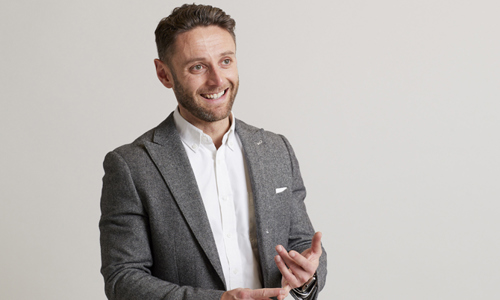
We asked Chris Sherrard, editor-in-chief of The Irish News, what does best practice publishing look like in news media? This is what he said…
After years of resisting paywalls, Reach is now launching them across its titles. But David Higgerson, Reach’s chief content officer, carefully avoided the word ‘U-turn’ when interviewed by Steve Dyson.
It’s one thing to think that readers should pay for your journalism, but the reality is that unless you improve your offering, then you will struggle to start charging for it, as DC Thomson Editor-in-Chief Frank O’Donnell tells Ciar Byrne.
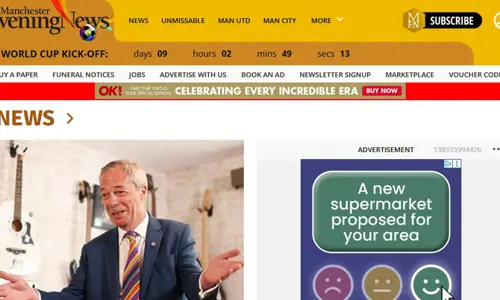
How can you edit a regional newspaper when you never visit the area you’re writing about? By filling it with generic content, an approach that National World’s David Montgomery, the new owner of JPI Media, is rapidly doing away with.
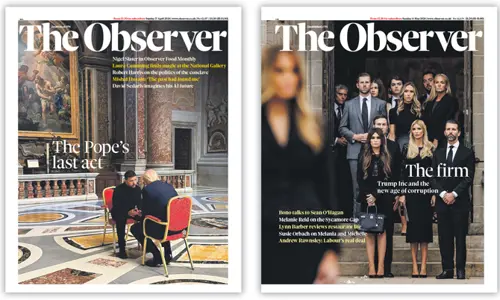
Ray Snoddy talks to Co-CEO Rich Furness about the thinking behind Tortoise Media’s acquisition of the world’s oldest Sunday newspaper and about their plans for its future.
What’s the outlook for national news media in 2024? Christian Broughton, CEO of The Independent, looks ahead.
There is a new generation of entrepreneurs launching local media businesses, bringing with them new ideas on business models and funding. Phil Clark looks at some of the stand-out examples.
With Meta backing away from ‘news’ and AI accelerating the growth of disinformation, we need to redouble our efforts to safeguard access to quality journalism, says News Media Association Chief Executive Owen Meredith.
East Lothian is not just the best place to live – it has the best newsbrand too. Alan Geere heads over the border to find out what’s happening in the world of Scottish weeklies.
Peter Barr-Watson, chief technology officer at The Independent, looks at the tech opportunities and challenges facing his company and the wider news media sector.
Publishers should heed the saying, ‘prepare for the worst, hope for the best’, because, as Dickon Ross says, the ‘worst’ must be just around the corner.
Kara Osborne, one of the judges for the 2025 Newsworks Awards, explores the fundamental role context plays in news brand campaign success.
In a world of content saturation, zero-click searches and time poverty, it is those publishers who can cut through and establish deep relationships who will prevail. Sarah Ebner outlines the strategies publishers can use to achieve real engagement.
There is a gap in the market for fearless progressive journalism, Sarah Donaldson tells Meg Carter, which is why she and four former Observer colleagues have launched The Nerve.
Cunning plans. Strategic visions. New organisational structures. These are all critically important for business success. Yet, without an inner resilience and self-belief, the company and the individuals within it are destined to fail.
Fight…Fight…Fight. Bravo the BBC, writes Paul Connew, for effectively hijacking Donald Trump’s own pet slogan in its determination to battle that massive $10bn dollar ‘Panoramagate’ documentary lawsuit brought against it by the US president.
Despite the obvious challenges, Douglas McCabe has spotted an outbreak of cautious optimism.
The sector’s adaptability is pointing to a more diversified future, says Chris Sherrard.
Back-office fragmentation is slowing down deals. Studio-based platforms are the solution, says Smartico’s Christian Scherbel.
The next era of publishing belongs to platforms that bridge the gap between infrastructure and editorial clarity, says Atex’s Sara Forni.
AdvantageCS’s Philippe van Mastrigt has five strategies to safeguard and strengthen your business model in the face of AI challenges.
The Guardian has announced Leah Green as head of its newly formed Guardian Studios - a new creative hub for video-first, personality-led journalism.
The Funday Times special edition on March 1 features a front cover designed by Jamie Smart, creator of Bunny vs Monkey.
Good Food has launched a new YouTube channel for talent-led original commissions.