News
Guardian podcasts launch on Spotify
The Guardian’s podcasts are now available on Spotify for the first time, offering listeners on mobile devices a new way to access its audio content.


The newspaper business was built for a world where one product served everyone and advertising paid for most of it. That model has gone. What replaces it is still being worked out title by title, from national groups to weeklies covering a single town.
Reader revenue is the clearest shift. Even Reach, which argued for free access for years, now puts some of its journalism behind a paywall, and the regional titles doing best changed their newsrooms before they asked anyone to pay. Ownership keeps changing too. National World rebuilt local editorships after years of centralisation, and the Observer is being reinvented as a premium print and digital title under new owners.
The strongest publishers understand the difference because they are not trying to be everything to everyone. They are trying to be essential to someone.
Chris Sherrard News media
Local news is where the pressure shows most. Millions of people now live without a dedicated local title, and new reader-funded and membership startups are moving into the gaps. Platforms are pulling back from news at the same time, which leaves trust and a direct relationship with readers as the assets that matter most.
Print hasn't disappeared either. Well-run weeklies still hold on to their readers, with circulation falling slowly while digital audiences grow.
Below you'll find some of our best feature articles on news media, from reader revenue and newsroom change to ownership, local news and trust, alongside our latest news and industry commentary.

Where is the growth opportunity for today’s publishers? Douglas McCabe tracks how the commercial model has evolved over the past fifty years and examines whether a better understanding of what online audiences want, will help drive future growth.

We asked Chris Sherrard, editor-in-chief of The Irish News, what does best practice publishing look like in news media? This is what he said…
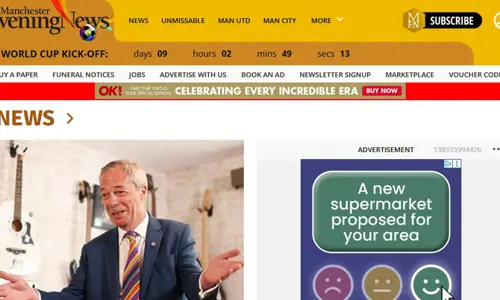
After years of resisting paywalls, Reach is now launching them across its titles. But David Higgerson, Reach’s chief content officer, carefully avoided the word ‘U-turn’ when interviewed by Steve Dyson.
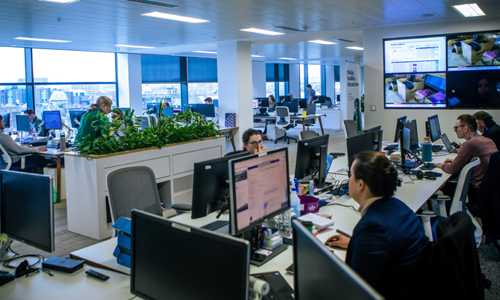
It’s one thing to think that readers should pay for your journalism, but the reality is that unless you improve your offering, then you will struggle to start charging for it, as DC Thomson Editor-in-Chief Frank O’Donnell tells Ciar Byrne.
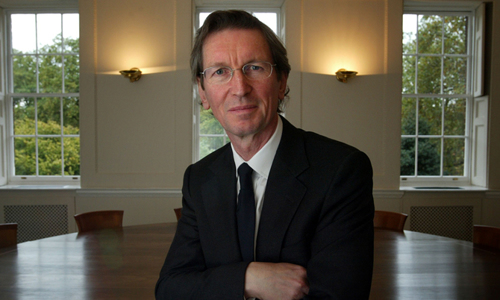
How can you edit a regional newspaper when you never visit the area you’re writing about? By filling it with generic content, an approach that National World’s David Montgomery, the new owner of JPI Media, is rapidly doing away with.
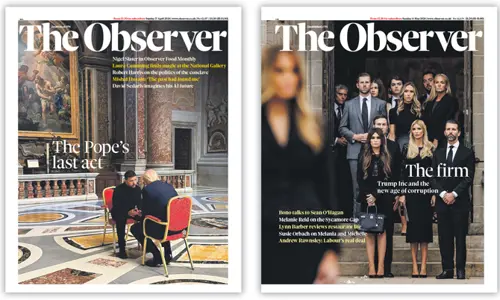
Ray Snoddy talks to Co-CEO Rich Furness about the thinking behind Tortoise Media’s acquisition of the world’s oldest Sunday newspaper and about their plans for its future.
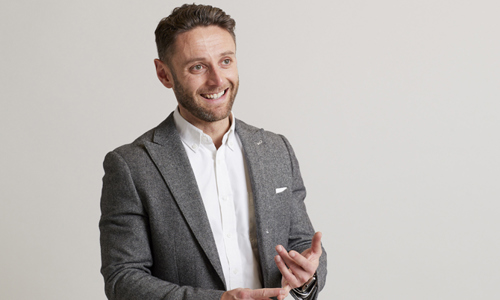
What’s the outlook for national news media in 2024? Christian Broughton, CEO of The Independent, looks ahead.
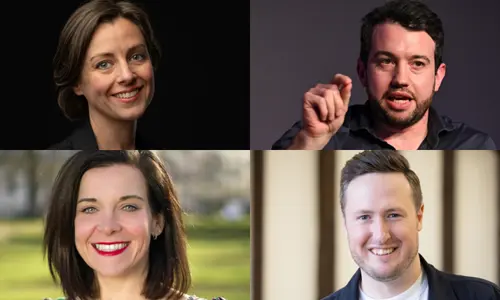
There is a new generation of entrepreneurs launching local media businesses, bringing with them new ideas on business models and funding. Phil Clark looks at some of the stand-out examples.

With Meta backing away from ‘news’ and AI accelerating the growth of disinformation, we need to redouble our efforts to safeguard access to quality journalism, says News Media Association Chief Executive Owen Meredith.
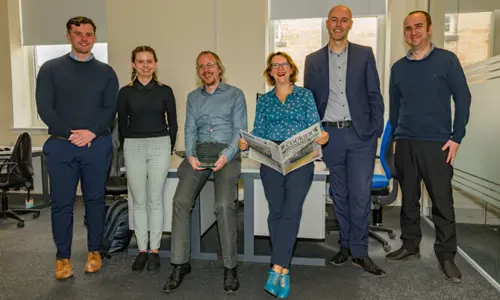
East Lothian is not just the best place to live – it has the best newsbrand too. Alan Geere heads over the border to find out what’s happening in the world of Scottish weeklies.

The Guardian’s podcasts are now available on Spotify for the first time, offering listeners on mobile devices a new way to access its audio content.

New markets are opening up for DMD as the company begins direct provision of onboard and premium lounge services to airlines at airports across Australia and New Zealand.

Johnston Press plc yesterday announced its results for the 52 week period ended 31st December 2016.

One year after its groundbreaking move to digital-only publishing, The Independent is launching ‘In Fact’, a new initiative to combat fake news.

i, Johnston Press’ national newspaper, has signed an inaugural TV partnership deal with UKTV’s entertainment channel, Dave.

International media leaders have signalled their deep concern with the US administration’s persistent attacks on the press by calling on US President Donald Trump to halt his ‘fake news’ accusations and to ensure White House briefings remain accessib

Fake news, the term du jour, previously known as lies, is rocking the foundations of our new media world and forcing the giant digital platforms to ask fundamental questions of themselves. Where might it all lead, asks Peter Preston.

Is public discourse and reasoned debate to be nurtured or stamped on? British society is perhaps more polarised than at any time in living memory. Is the Press’ intemperance a symptom of this or part of the cause? Liz Gerard reports.

We all know the advantages of digital, because we’re told them often enough. But who’s banging the drum for print? One person who is, is Paul McNamee, editor of The Big Issue, who says that there is nothing to beat the sheer magic of reading somethin

In 1992, to great fanfare, The Journal switched from broadsheet to tabloid. A huge amount of effort and resource had gone into the relaunch. 25 years on, Neil Fowler looks back at a dramatic north east change and ponders its relevance to today.

Last issue, Karlene Lukovitz wrote that the core questions for the fate of the US now are how far the current occupant of the White House will go in trying to bully the press, and how stalwart the press proves in fulfilling its fourth estate role whi

Native is on the rise. Publishers are setting up in-house studios and revenues are growing. It’s an area in which publishers, with their expertise in content creation, are well set to prosper. Tim Cain looks at the key areas that publishers need to f

On 1st March, Newsworks held its annual Shift conference in London. One of the messages Ray Snoddy came away with was the need for the advertising industry to shed its obsession with the shiny and the new and get to grips with what is a seriously def

Following publication of an article on Mail Online on 25 October 2016, headlined “Pilot in DIY 14-foot plane he built in his shed is halted at Chinese border after being ruled a MILITARY THREAT during round-the-world trip”, Colin Hales complained to

The Daily Echo in Bournemouth has revived a weekly sister newspaper which has not been published for almost 35 years.
