News
Redan launches educational magazine for early learners
Redan Publishing, a children’s magazine publisher, has launched a new educational magazine for boys and girls aged 4-7 years old, called I Know!


Consumer magazines spent most of the past two decades managing decline. The more confident publishers have stopped doing that. Newsstand sales and print advertising are still shrinking, but well-made titles with loyal readers are raising cover prices and growing.
Scale matters less than it did. Bauer has made Grazia a more premium product and charged more for it, while independents such as Anthem have put print back at the centre of the business and grown their export sales. Stylist has changed format several times without losing its readers. Others have gone the other way, and Gay Times dropped print entirely to build a global audience online.
For most consumer publishers, print is our USP. It’s the anchor that makes advertisers trust us and the very thing that readers want from us.
Jon Bickley Our print strategy: Anthem
Behind the confidence sits some hard arithmetic. Newstrade is now a small share of revenue and events and ecommerce are growing from a low base. Trust has become a selling point as AI fills the web with content of uncertain origin, but the paid-for consumer model that works at scale is still being worked out.
Below you'll find some of our best feature articles on consumer magazines, from premium print and cover pricing to brand extensions, membership and the future of specialist titles, alongside our latest news and industry commentary.

For a while now, magazine publishers have been on the defensive, unsure about the viability of their traditional business model in a fast-changing world. Katie Vanneck-Smith wants to change all that.

We asked Tamar Riley, portfolio managing director at Immediate, what does best practice publishing look like in consumer media? This is what she said…
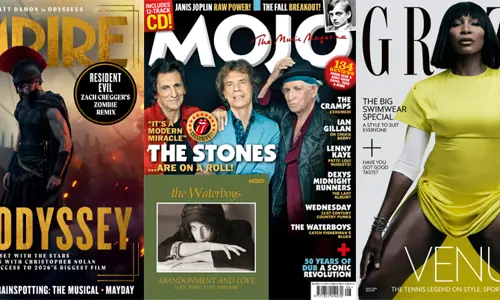
For premium titles like Grazia, Mojo and Empire, growth is increasingly coming not from extending reach but from deepening engagement with existing passionate audiences, as Lauren Holleyoake tells Ciar Byrne.
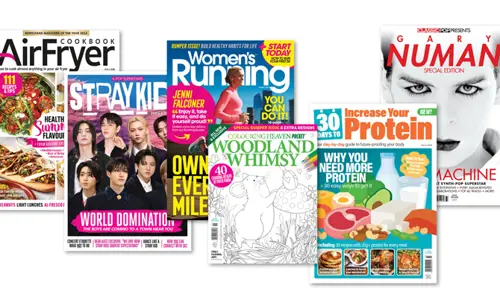
The printed magazine will be a cherished part of people’s lives for years to come, says Jon Bickley, co-founder and CEO. That is why it’s the key component in Anthem’s publishing strategy.
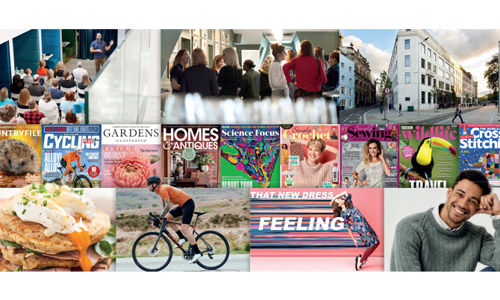
With the arrival of AI and the widespread availability of unattributable content, specialist publishers need to ensure that their titles are the trusted go-to brands in their sectors, Our Media’s Andy Marshall tells Ciar Byrne.
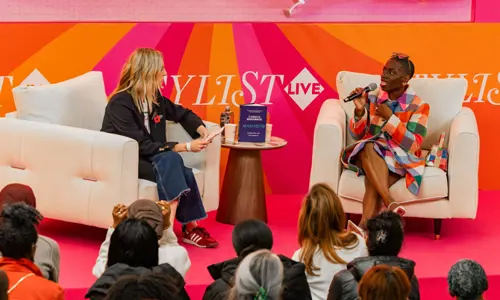
Stylist’s mission has been clear from day one: to engage with its female audience in an intelligent, positive and non-exploitative way. 16 years on, and current PPA Media Brand of the Year, they are staying true to those values, says Lisa Smosarski.

Gay Times was stuck in a rut, tied to its traditional publishing model and reaching only a small part of the LGBTQ+ community. Under the editorship of Lewis Corner, that began to change, as he explains to Ciar Byrne.

Whatever the rest of 2024 holds, two things are certain. Firstly, the bumpy economic ride will continue. Secondly, the need for media companies to have a broad base of revenue streams has never been more important or more challenging to achieve.
How do you create a specialist consumer media business that is fit for the future? What steps do you need to take to be resilient and flexible as audiences and technology evolve? Carolyn Morgan researched 20 innovators from across Europe to find out.
For many publishers, circulation is all about chasing volume, but they would be much better off chasing profitability, says Natalie Smith, client relationship manager at Warners.

Redan Publishing, a children’s magazine publisher, has launched a new educational magazine for boys and girls aged 4-7 years old, called I Know!

A record 93 winners were presented with their Print Futures Awards on 24 July at a reception at the House of Lords hosted by Lord Black of Brentwood.

Precision Colour Printing managing director Alex Evans is to step down from his role with the company next February.

Buro.Global has enhanced its senior leadership team with the appointment of Reena Prashar as Global Digital Director.

Country Life, published by TI Media, is from this week delivering all its UK subscriber editions in paperwrap instead of polythene.

Bi-annual magazine Cornucopia has joined forces with digital publishing platform Exact Editions to offer individual and institutional subscribers access to an archive of 15 back issues.

It’s no coincidence that great media brands usually have great names, names that capture the identity of the brand and which resonate with the public. The Face was one such brand and it’s in the process of relaunching. Andy Cowles takes up the story…

Everyone’s talking about artificial intelligence and how it will change the world. But what does it mean for publishers? What difference can it make to our day-to-day operations and the success of our businesses? A lot!, says Hanifa Dungarwalla.

Aviation publications are flying high in a packed sector covering everything from microlights to corporate jets. Alan Geere goes wing-walking among the titles.

After a decade or more of downbeat outlooks and downcast publishing conferences, Dickon Ross senses a new wave of optimism spreading among magazine editors and publishers.

Getting people to spend more time on your site and to do the things you want them to do, is what publishers are increasingly focused on. John Barnes looks at how you measure engagement, and then how you go about improving it.

With the rise of digital, few journalists now give much thought to typography, preferring to leave it to the tekkies. This is a shame, writes Peter Sands, because font choices can make all the difference to the success, or otherwise, of your title.

The border busting reality of digital publishing has radically altered the traditional licensing model. But opportunities still abound to leverage your brand in overseas markets. Peter Houston reports.

David Hepworth celebrates the 40th birthday of the Walkman, which he describes as “one of a handful of devices that have come along in my lifetime that could be regarded as transformational.”

Technical competence is central to modern publishing, yet it remains an Achilles' heel for many publishers. Jim Bilton looks at the research.
