News
New Scientist appoints first female Editor
New Scientist, the science and technology weekly magazine, has announced the appointment of Emily Wilson as Editor.


Consumer magazines spent most of the past two decades managing decline. The more confident publishers have stopped doing that. Newsstand sales and print advertising are still shrinking, but well-made titles with loyal readers are raising cover prices and growing.
Scale matters less than it did. Bauer has made Grazia a more premium product and charged more for it, while independents such as Anthem have put print back at the centre of the business and grown their export sales. Stylist has changed format several times without losing its readers. Others have gone the other way, and Gay Times dropped print entirely to build a global audience online.
For most consumer publishers, print is our USP. It’s the anchor that makes advertisers trust us and the very thing that readers want from us.
Jon Bickley Our print strategy: Anthem
Behind the confidence sits some hard arithmetic. Newstrade is now a small share of revenue and events and ecommerce are growing from a low base. Trust has become a selling point as AI fills the web with content of uncertain origin, but the paid-for consumer model that works at scale is still being worked out.
Below you'll find some of our best feature articles on consumer magazines, from premium print and cover pricing to brand extensions, membership and the future of specialist titles, alongside our latest news and industry commentary.

For a while now, magazine publishers have been on the defensive, unsure about the viability of their traditional business model in a fast-changing world. Katie Vanneck-Smith wants to change all that.

We asked Tamar Riley, portfolio managing director at Immediate, what does best practice publishing look like in consumer media? This is what she said…

For premium titles like Grazia, Mojo and Empire, growth is increasingly coming not from extending reach but from deepening engagement with existing passionate audiences, as Lauren Holleyoake tells Ciar Byrne.
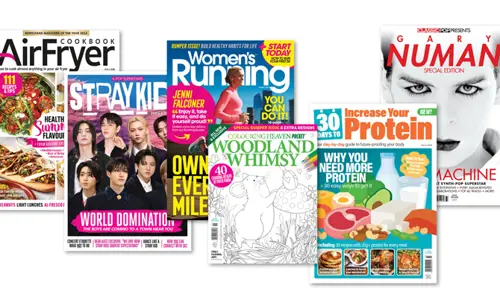
The printed magazine will be a cherished part of people’s lives for years to come, says Jon Bickley, co-founder and CEO. That is why it’s the key component in Anthem’s publishing strategy.

With the arrival of AI and the widespread availability of unattributable content, specialist publishers need to ensure that their titles are the trusted go-to brands in their sectors, Our Media’s Andy Marshall tells Ciar Byrne.
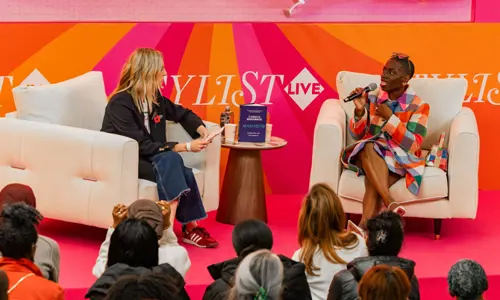
Stylist’s mission has been clear from day one: to engage with its female audience in an intelligent, positive and non-exploitative way. 16 years on, and current PPA Media Brand of the Year, they are staying true to those values, says Lisa Smosarski.

Gay Times was stuck in a rut, tied to its traditional publishing model and reaching only a small part of the LGBTQ+ community. Under the editorship of Lewis Corner, that began to change, as he explains to Ciar Byrne.

Whatever the rest of 2024 holds, two things are certain. Firstly, the bumpy economic ride will continue. Secondly, the need for media companies to have a broad base of revenue streams has never been more important or more challenging to achieve.
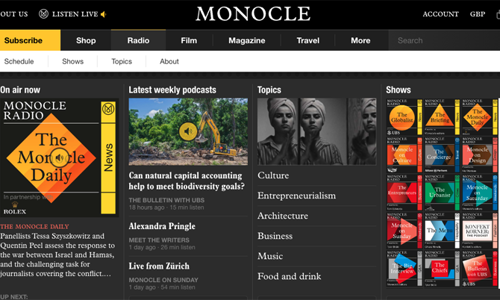
How do you create a specialist consumer media business that is fit for the future? What steps do you need to take to be resilient and flexible as audiences and technology evolve? Carolyn Morgan researched 20 innovators from across Europe to find out.
For many publishers, circulation is all about chasing volume, but they would be much better off chasing profitability, says Natalie Smith, client relationship manager at Warners.

New Scientist, the science and technology weekly magazine, has announced the appointment of Emily Wilson as Editor.

WoodWing Software and SPRYLAB have announced a milestone in their partnership. SPRYLAB’s Purple DS mobile app creation software is now integrated with WoodWing’s Enterprise solution.

Madeleine Wilson has been promoted to the position of Fashion Advertising Director of British GQ and is also named Associate Publisher, Fashion of GQ Style, it was announced yesterday.

James Evelegh's editorial from this week's edition of InPubWeekly.

‘Digital’ is a big word. It covers lots of different dimensions in any media organisation. Jim Bilton drills down into the Publishing Futures research data to see how publishers are navigating the digital journey.

James Evelegh’s roundup of some of the news stories that caught his eye since November/December issue of InPublishing magazine.

Digital technology has already transformed and disrupted media and publishing, as it has most parts of the global economy. So, asks Carolyn Morgan, what emerging trends should media businesses be monitoring, that will change how people consume conten

David Hepworth on magazines and beyond

In late November, the PPA held its annual Independent Publisher event in London, a morning conference followed by a lunch-time awards. James Evelegh went along to hear what the speakers had to say.

What’s in a word? Whether you call it circulation, distribution, marketing or audience development, it’s all about getting your published product to market. The product and processes might change, but not the people, and there is a special associatio

Podcasting is steadily growing in popularity, particularly in the US. Publishers, with their creativity and well-defined audiences, are well placed to thrive in this space. Peter Houston looks at the options.

Crawl, walk, run, fly… Robyn Bechelet considers content strategies for smaller publishers and proposes instilling a process to systematically grow and know readers, for life.

“Surviving the global stress test” is the subtitle of the latest report from Distripress, the international press distribution association. The annual Distripress Circulation Monitor is managed by Wessenden Marketing and a key element of it is a surv

There was a strange sighting at the PPA Customer Direct conference in November – a newspaper man, in the shape of Robert Bridge, chief customer officer at Telegraph Media Group. He was there to give the keynote presentation on the Telegraph’s new cus

Such is the rate of change in digital marketing, that there is no blueprint or template for marketers to follow. The key, as New Scientist’s Chloe Thompson tells Meg Carter, is to be constantly trying and testing new things.
