News
Trinity Mirror - Trading Update
Trinity Mirror plc issued its trading update to the City for the third quarter of the year on Friday.


The newspaper business was built for a world where one product served everyone and advertising paid for most of it. That model has gone. What replaces it is still being worked out title by title, from national groups to weeklies covering a single town.
Reader revenue is the clearest shift. Even Reach, which argued for free access for years, now puts some of its journalism behind a paywall, and the regional titles doing best changed their newsrooms before they asked anyone to pay. Ownership keeps changing too. National World rebuilt local editorships after years of centralisation, and the Observer is being reinvented as a premium print and digital title under new owners.
The strongest publishers understand the difference because they are not trying to be everything to everyone. They are trying to be essential to someone.
Chris Sherrard News media
Local news is where the pressure shows most. Millions of people now live without a dedicated local title, and new reader-funded and membership startups are moving into the gaps. Platforms are pulling back from news at the same time, which leaves trust and a direct relationship with readers as the assets that matter most.
Print hasn't disappeared either. Well-run weeklies still hold on to their readers, with circulation falling slowly while digital audiences grow.
Below you'll find some of our best feature articles on news media, from reader revenue and newsroom change to ownership, local news and trust, alongside our latest news and industry commentary.

Where is the growth opportunity for today’s publishers? Douglas McCabe tracks how the commercial model has evolved over the past fifty years and examines whether a better understanding of what online audiences want, will help drive future growth.

We asked Chris Sherrard, editor-in-chief of The Irish News, what does best practice publishing look like in news media? This is what he said…
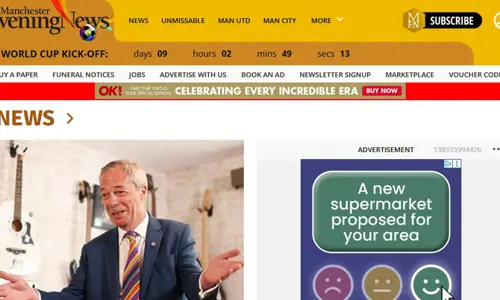
After years of resisting paywalls, Reach is now launching them across its titles. But David Higgerson, Reach’s chief content officer, carefully avoided the word ‘U-turn’ when interviewed by Steve Dyson.
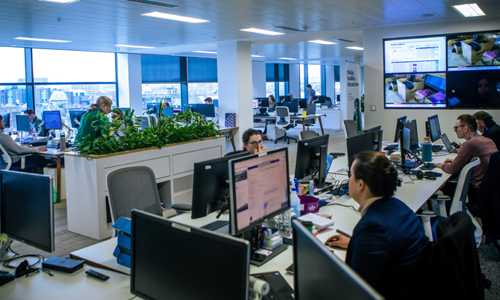
It’s one thing to think that readers should pay for your journalism, but the reality is that unless you improve your offering, then you will struggle to start charging for it, as DC Thomson Editor-in-Chief Frank O’Donnell tells Ciar Byrne.

How can you edit a regional newspaper when you never visit the area you’re writing about? By filling it with generic content, an approach that National World’s David Montgomery, the new owner of JPI Media, is rapidly doing away with.
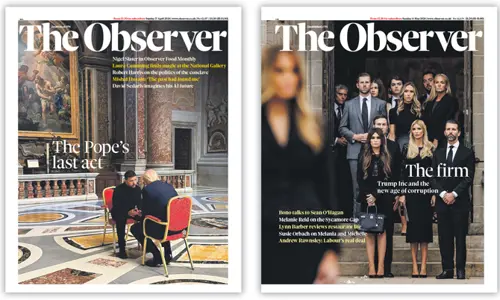
Ray Snoddy talks to Co-CEO Rich Furness about the thinking behind Tortoise Media’s acquisition of the world’s oldest Sunday newspaper and about their plans for its future.
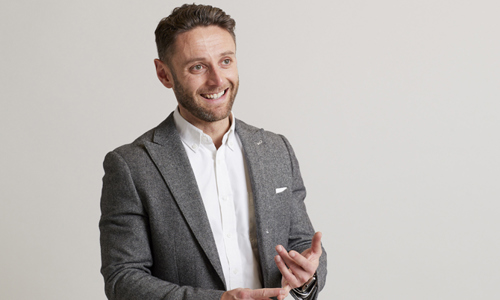
What’s the outlook for national news media in 2024? Christian Broughton, CEO of The Independent, looks ahead.

There is a new generation of entrepreneurs launching local media businesses, bringing with them new ideas on business models and funding. Phil Clark looks at some of the stand-out examples.

With Meta backing away from ‘news’ and AI accelerating the growth of disinformation, we need to redouble our efforts to safeguard access to quality journalism, says News Media Association Chief Executive Owen Meredith.
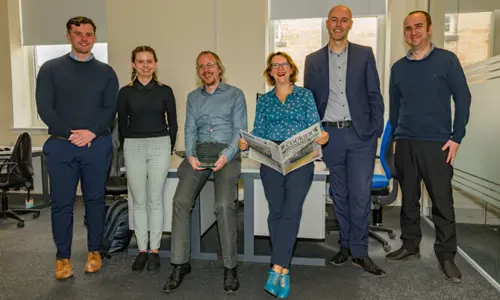
East Lothian is not just the best place to live – it has the best newsbrand too. Alan Geere heads over the border to find out what’s happening in the world of Scottish weeklies.

Trinity Mirror plc issued its trading update to the City for the third quarter of the year on Friday.

The Times and The Sunday Times have launched an integrated TV and outdoor advertising campaign to promote their new brand positioning around the ‘Know your times’ endline.

The last few years have seen a steady deterioration in police-press relations, with the police adopting something of a siege mentality. Anthony Longden looks at the causes of the present mistrust and asks whether anything can be done to salvage what

Mainstream media is forever obsessing over the youth of today; not so much what they’re up to, although that does fill useful column inches, but how to get them engaged with their output. One media organisation for whom this comes quite naturally is

Print may be declining, but two freshly-qualified journalists are still excited about their new regional media careers. Steve Dyson finds out why.

Two trends underpin the global newspaper market today: sales of print newspapers are in decline but revenue from print far outstrips that from digital. Should publishers axe their print operations and focus on digital or should they nurture print and

Machines are great at measuring things, but are the things they measure a reliable guide to good journalism? Treating content like widgets might benefit the bottom line, short-term, but might well end up damaging publishing, long-term. As Peter Prest

City A.M. has become a regular sight on the streets of London over the past decade. Despite a recession, continued digital disruption and now Brexit, it’s still standing, but not yet profitable. As Lawson Muncaster tells Ray Snoddy, a profitable 2017

An online ad needs to be on the screen for 14 seconds to have any chance of being looked at, according to a new study on the relationship between viewability, gaze time, ad clutter and people’s ability to remember ads.

The Times Scotland has signed a three year media partnership with the Scottish Legal Awards.

The World Association of Newspapers and News Media (WAN-IFRA) and børding Holding GmbH (børding messe) will in future jointly organise the IFRA World Publishing Expo and DCX Digital Content Expo exhibitions.

Latest figures from the Digital Publishers Revenue Index (DPRI) – a quarterly report of UK publishers from the Association for Online Publishing (AOP) and Deloitte, the business advisory firm – reveal that UK publishers remain optimistic for the year

In our latest Top Tips webinar, held on Tuesday, Carolyn Morgan discussed examples of digital publishing and the ideas that might inspire other publishers. Here, Carolyn provides further information in response to some of the questions raised by publ

News UK announced this week that it has completed its acquisition of Wireless Group – owners of talkSPORT and Virgin Radio – having received all necessary regulatory approvals and the overwhelming approval of Wireless shareholders.

The Internet Advertising Bureau UK is promoting a new portfolio of online ad formats as part of the industry-wide drive to improve people’s online experience and reduce ad blocking.
