FEATURE
Happy Birthday Cosmo
Cosmopolitan UK turned 50 this year and is looking in pretty good shape. It’s now a truly multi-platform brand, confident in each of its publishing channels. James Evelegh takes a closer look.


Consumer magazines spent most of the past two decades managing decline. The more confident publishers have stopped doing that. Newsstand sales and print advertising are still shrinking, but well-made titles with loyal readers are raising cover prices and growing.
Scale matters less than it did. Bauer has made Grazia a more premium product and charged more for it, while independents such as Anthem have put print back at the centre of the business and grown their export sales. Stylist has changed format several times without losing its readers. Others have gone the other way, and Gay Times dropped print entirely to build a global audience online.
For most consumer publishers, print is our USP. It’s the anchor that makes advertisers trust us and the very thing that readers want from us.
Jon Bickley Our print strategy: Anthem
Behind the confidence sits some hard arithmetic. Newstrade is now a small share of revenue and events and ecommerce are growing from a low base. Trust has become a selling point as AI fills the web with content of uncertain origin, but the paid-for consumer model that works at scale is still being worked out.
Below you'll find some of our best feature articles on consumer magazines, from premium print and cover pricing to brand extensions, membership and the future of specialist titles, alongside our latest news and industry commentary.

For a while now, magazine publishers have been on the defensive, unsure about the viability of their traditional business model in a fast-changing world. Katie Vanneck-Smith wants to change all that.

We asked Tamar Riley, portfolio managing director at Immediate, what does best practice publishing look like in consumer media? This is what she said…
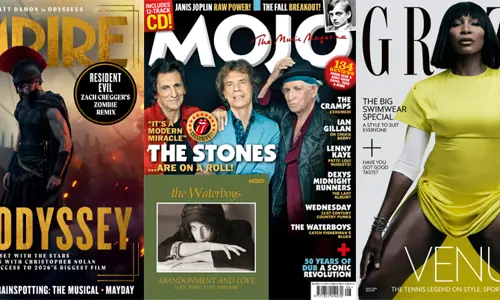
For premium titles like Grazia, Mojo and Empire, growth is increasingly coming not from extending reach but from deepening engagement with existing passionate audiences, as Lauren Holleyoake tells Ciar Byrne.
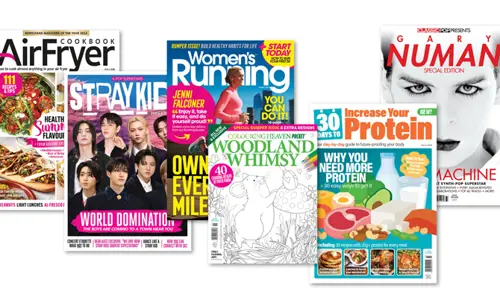
The printed magazine will be a cherished part of people’s lives for years to come, says Jon Bickley, co-founder and CEO. That is why it’s the key component in Anthem’s publishing strategy.
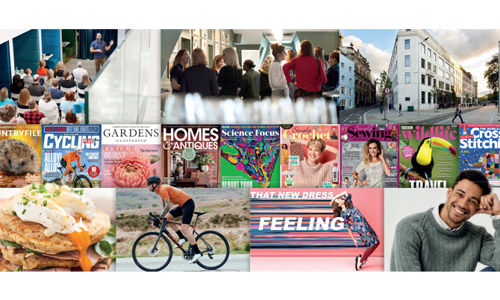
With the arrival of AI and the widespread availability of unattributable content, specialist publishers need to ensure that their titles are the trusted go-to brands in their sectors, Our Media’s Andy Marshall tells Ciar Byrne.
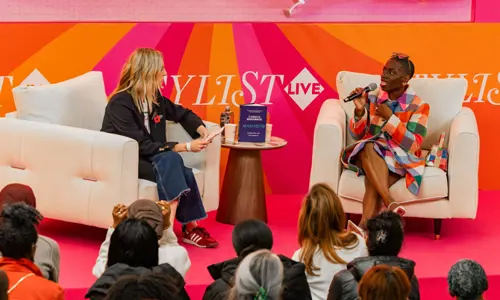
Stylist’s mission has been clear from day one: to engage with its female audience in an intelligent, positive and non-exploitative way. 16 years on, and current PPA Media Brand of the Year, they are staying true to those values, says Lisa Smosarski.
Gay Times was stuck in a rut, tied to its traditional publishing model and reaching only a small part of the LGBTQ+ community. Under the editorship of Lewis Corner, that began to change, as he explains to Ciar Byrne.
Whatever the rest of 2024 holds, two things are certain. Firstly, the bumpy economic ride will continue. Secondly, the need for media companies to have a broad base of revenue streams has never been more important or more challenging to achieve.
How do you create a specialist consumer media business that is fit for the future? What steps do you need to take to be resilient and flexible as audiences and technology evolve? Carolyn Morgan researched 20 innovators from across Europe to find out.
For many publishers, circulation is all about chasing volume, but they would be much better off chasing profitability, says Natalie Smith, client relationship manager at Warners.

Cosmopolitan UK turned 50 this year and is looking in pretty good shape. It’s now a truly multi-platform brand, confident in each of its publishing channels. James Evelegh takes a closer look.

TikTok presents publishers with a great opportunity to build brand awareness. HELLO! was quick to join and the platform has helped introduce millions of new people to the brand, as well as transforming the publisher’s approach to video production.

In 1902, the magazine was launched from a tiny village in India called Qadian. Until recently it was a black and white print offering, with no digital presence. Editor Amer Safir charts the title’s journey and its recent extensive transformation.

Magazine lovers from the Look and Learn generation (1962-82) will recognise these titles, tackling serious topics with the approachability to engage those sought-after teen and tween readers. Alan Geere steps back, and forward, in time…

In response to the cost of living crisis, industry charity NewstrAid has announced that they will again be adding a supplement to their annual Winter Comfort Grant.

Ozone, a UK digital advertising platform built for brands by publishers – has announced a new partnership with Autovia, a UK automotive media business.

Warners Group Publications has announced the creation of two fully-searchable archives available as part of Warners’ Family Tree Plus & Your Dog memberships with Exact Editions.

The House of Lords has recommended restrictions on "advertising for high carbon and environmentally-damaging products."

British Vogue’s November issue follows the tradition of royal purple covers marking the passing of a monarch by commemorating Queen Elizabeth II.

Bubbl has announced the appointment of Taz Hossain as CRO and Ollie Aynsley as head of commercial.

Atex, a provider of software solutions for publishers, is supporting the ‘Wo*men's Rugby – Land of Freedom’ initiative, which aims to increase women’s participation in sport. Atex’s Alberto Mari looks at the inspirational stories behind it.

Journexx, a trading platform for journalism, has announced it is launching its final test phase on Tuesday 18 October before it opens up to the entire publishing industry.

The PPA has announced the shortlist for the 2022 Independent Publisher Awards, taking place on 25 November.

Announced in September, the former senior civil servant Sir Bill Jeffrey is conducting the second External Review of the independence and effectiveness of the Independent Press Standards Organisation (IPSO).

In a world of increasing privacy legislation and decreasing reliance on third-party cookies, DCRs are one way publishers can monetise their audience data. We grab five mins with Optable’s Vlad Stesin to ask him what advice he would give publishers.
