REVIEW
Media Quotes of the Year 2020
It was a year dominated by the coronavirus which, while driving huge media audiences, played havoc with advertising and sales revenues as well as jobs. Jon Slattery chooses his quotes of the year.


Consumer magazines spent most of the past two decades managing decline. The more confident publishers have stopped doing that. Newsstand sales and print advertising are still shrinking, but well-made titles with loyal readers are raising cover prices and growing.
Scale matters less than it did. Bauer has made Grazia a more premium product and charged more for it, while independents such as Anthem have put print back at the centre of the business and grown their export sales. Stylist has changed format several times without losing its readers. Others have gone the other way, and Gay Times dropped print entirely to build a global audience online.
For most consumer publishers, print is our USP. It’s the anchor that makes advertisers trust us and the very thing that readers want from us.
Jon Bickley Our print strategy: Anthem
Behind the confidence sits some hard arithmetic. Newstrade is now a small share of revenue and events and ecommerce are growing from a low base. Trust has become a selling point as AI fills the web with content of uncertain origin, but the paid-for consumer model that works at scale is still being worked out.
Below you'll find some of our best feature articles on consumer magazines, from premium print and cover pricing to brand extensions, membership and the future of specialist titles, alongside our latest news and industry commentary.

For a while now, magazine publishers have been on the defensive, unsure about the viability of their traditional business model in a fast-changing world. Katie Vanneck-Smith wants to change all that.

We asked Tamar Riley, portfolio managing director at Immediate, what does best practice publishing look like in consumer media? This is what she said…
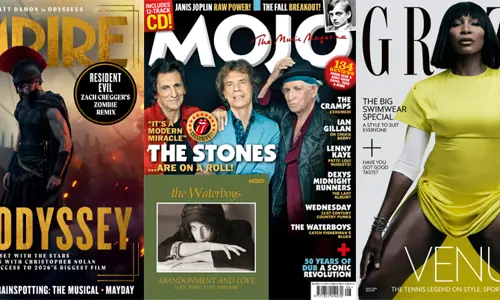
For premium titles like Grazia, Mojo and Empire, growth is increasingly coming not from extending reach but from deepening engagement with existing passionate audiences, as Lauren Holleyoake tells Ciar Byrne.
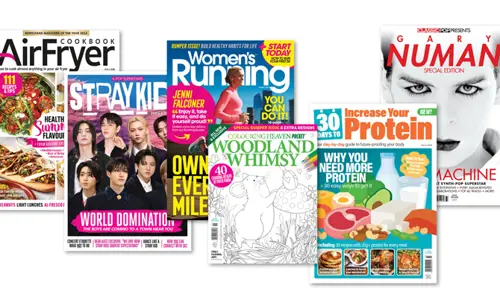
The printed magazine will be a cherished part of people’s lives for years to come, says Jon Bickley, co-founder and CEO. That is why it’s the key component in Anthem’s publishing strategy.
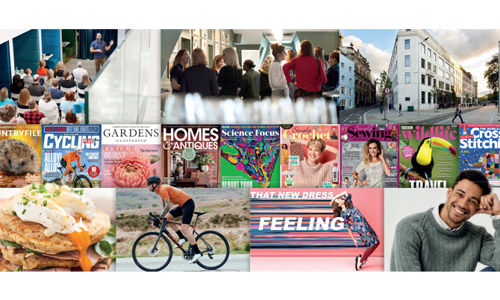
With the arrival of AI and the widespread availability of unattributable content, specialist publishers need to ensure that their titles are the trusted go-to brands in their sectors, Our Media’s Andy Marshall tells Ciar Byrne.
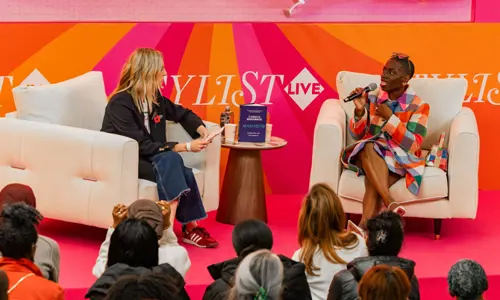
Stylist’s mission has been clear from day one: to engage with its female audience in an intelligent, positive and non-exploitative way. 16 years on, and current PPA Media Brand of the Year, they are staying true to those values, says Lisa Smosarski.

Gay Times was stuck in a rut, tied to its traditional publishing model and reaching only a small part of the LGBTQ+ community. Under the editorship of Lewis Corner, that began to change, as he explains to Ciar Byrne.
Whatever the rest of 2024 holds, two things are certain. Firstly, the bumpy economic ride will continue. Secondly, the need for media companies to have a broad base of revenue streams has never been more important or more challenging to achieve.
How do you create a specialist consumer media business that is fit for the future? What steps do you need to take to be resilient and flexible as audiences and technology evolve? Carolyn Morgan researched 20 innovators from across Europe to find out.
For many publishers, circulation is all about chasing volume, but they would be much better off chasing profitability, says Natalie Smith, client relationship manager at Warners.

It was a year dominated by the coronavirus which, while driving huge media audiences, played havoc with advertising and sales revenues as well as jobs. Jon Slattery chooses his quotes of the year.

Embracing difference while championing unity sounds like a contradiction in terms. Yet perfecting this balancing act is the challenge faced by Premier Christianity – a Christian magazine, its editor, Sam Hailes, and, well, the Christian church.

The US economy is teetering on the edge, battered by the pandemic and the government’s mismanagement of it. Unsurprisingly, says Karlene Lukovitz, the publishing sector has not escaped unscathed.

We all need to do more to increase diversity because, ultimately, greater diversity and inclusivity is what will dictate magazines’ future success, writes Meg Carter.

Never before have we been so interested in ‘following the science’. The pandemic has sharpened our appetites and there are plenty of science-based publications on the newsstand to keep us satisfied, as Alan Geere has been finding out.

TIME has named Joe Biden and Kamala Harris, President-elect and Vice President–elect of the United States, as the 2020 Person of the Year.

Egmont Magazines are celebrating the 75th anniversary of the world-famous Thomas & Friends brand with the release of a limited edition gift pack of the magazine.

The New Statesman has launched a new business section of its website to enhance its reporting and analysis on the political, economic and social issues facing businesses around the world.

The Big Issue has launched its first ever Christmas Appeal film to help raise awareness of the need for support for its network of vendors who are facing an unprecedented period of hardship this winter.

Tatler has launched The Tatler Menu in partnership with Learning with Experts, to recreate Michelin-standard dishes at home.

These are the attributes that set The Economist apart from many of its peers, Chief Product Officer Deep Bagchee told attendees at the Campaign Publishing Summit.

It’s really annoying, isn’t it, when someone uses your content for their benefit, and you get absolutely nothing in return. We grab five minutes with NLA media access’ Matt Aspinall to find out what publishers should be doing about it.

Richard Dennen, Editor of Tatler, has announced the appointment of Fay Maschler as Restaurant Critic.

The Radio Times website reported its biggest ever audience in November 2020, with 23.9 million users visiting the site, a 40% year-on-year increase in traffic, accessing 73 million pages.

Dan McCrum of the FT was yesterday named the British Journalism Awards Journalist of the Year for his investigation into German payments company Wirecard, which exposed a multi-billion euro fraud.
