NEWS
Tim Weller joins TI Media
TI Media has announced the appointment of Tim Weller as its non-executive chairman.


Consumer magazines spent most of the past two decades managing decline. The more confident publishers have stopped doing that. Newsstand sales and print advertising are still shrinking, but well-made titles with loyal readers are raising cover prices and growing.
Scale matters less than it did. Bauer has made Grazia a more premium product and charged more for it, while independents such as Anthem have put print back at the centre of the business and grown their export sales. Stylist has changed format several times without losing its readers. Others have gone the other way, and Gay Times dropped print entirely to build a global audience online.
For most consumer publishers, print is our USP. It’s the anchor that makes advertisers trust us and the very thing that readers want from us.
Jon Bickley Our print strategy: Anthem
Behind the confidence sits some hard arithmetic. Newstrade is now a small share of revenue and events and ecommerce are growing from a low base. Trust has become a selling point as AI fills the web with content of uncertain origin, but the paid-for consumer model that works at scale is still being worked out.
Below you'll find some of our best feature articles on consumer magazines, from premium print and cover pricing to brand extensions, membership and the future of specialist titles, alongside our latest news and industry commentary.

For a while now, magazine publishers have been on the defensive, unsure about the viability of their traditional business model in a fast-changing world. Katie Vanneck-Smith wants to change all that.

We asked Tamar Riley, portfolio managing director at Immediate, what does best practice publishing look like in consumer media? This is what she said…
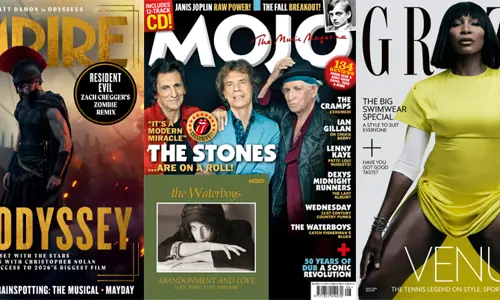
For premium titles like Grazia, Mojo and Empire, growth is increasingly coming not from extending reach but from deepening engagement with existing passionate audiences, as Lauren Holleyoake tells Ciar Byrne.
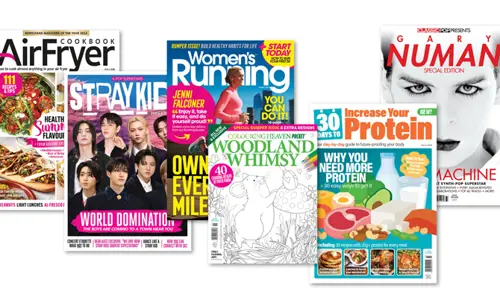
The printed magazine will be a cherished part of people’s lives for years to come, says Jon Bickley, co-founder and CEO. That is why it’s the key component in Anthem’s publishing strategy.
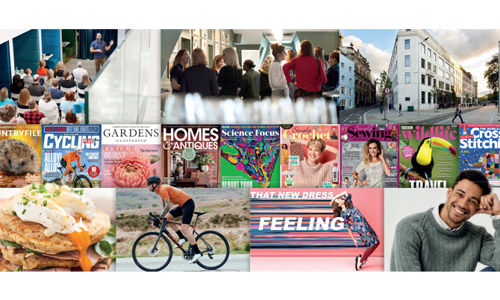
With the arrival of AI and the widespread availability of unattributable content, specialist publishers need to ensure that their titles are the trusted go-to brands in their sectors, Our Media’s Andy Marshall tells Ciar Byrne.
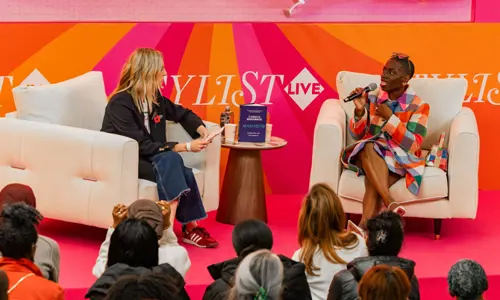
Stylist’s mission has been clear from day one: to engage with its female audience in an intelligent, positive and non-exploitative way. 16 years on, and current PPA Media Brand of the Year, they are staying true to those values, says Lisa Smosarski.
Gay Times was stuck in a rut, tied to its traditional publishing model and reaching only a small part of the LGBTQ+ community. Under the editorship of Lewis Corner, that began to change, as he explains to Ciar Byrne.
Whatever the rest of 2024 holds, two things are certain. Firstly, the bumpy economic ride will continue. Secondly, the need for media companies to have a broad base of revenue streams has never been more important or more challenging to achieve.
How do you create a specialist consumer media business that is fit for the future? What steps do you need to take to be resilient and flexible as audiences and technology evolve? Carolyn Morgan researched 20 innovators from across Europe to find out.
For many publishers, circulation is all about chasing volume, but they would be much better off chasing profitability, says Natalie Smith, client relationship manager at Warners.

TI Media has announced the appointment of Tim Weller as its non-executive chairman.

Debra Sangiuliano, Media Director at Pfizer, Inc, was appointed Chairwoman at BPA Worldwide’s Board of Director’s meeting earlier this month.

The team has been off for a strategy weekend: two days of whiteboards, post-it notes and warring syndicates. Change has been embraced. Now, the nagging question is, writes Jim Bilton, “Can we actually make any of this happen?”

James Evelegh’s roundup of some of the news stories that caught his eye over the last couple of months.

Fake news is bad news for society, albeit, arguably good news for publishers, writes Dickon Ross. Are you a fake news friend or foe? Here’s three click-bait style quiz questions to help you find out.

Don’t know your art from your elbow? Never fear, there are magazines to help. Alan Geere heads along to the newsstand.

Magazines have long influenced fashion sales. Online, with publishers being able to link direct to purchase pages on client sites, the influence is more direct. Meg Carter talks to Justine Southall about Marie Claire’s e-commerce business.

Paid content, customer data and digital targeting, continued consolidation, and a burgeoning array of increasingly imaginative brand extensions have been the dominant preoccupations among US magazine media companies so far this year.

With many publishers still making most of their money from advertising, the one thing they all want to know is… how to sell more of it. James Evelegh asks Caroline Ackroyd, what is the secret of running a successful ads sales operation?

The BBC finds that the old media habits on which it previously depended have shattered, writes David Hepworth.

When it comes to advertising standards, says David Hepworth, you’re more likely to find unscrupulous behaviour from the amateurs.

More than one speaker at DIS commented that we are living in a “VUCA” world: meaning an environment that is volatile, uncertain, complex and ambiguous.

Agencies have named TI Media as the best overall media owner to work with in the IPA’s Spring Digital Media Owner Survey 2019.

Immediate has announced a partnership with Ecotricity to provide paper wrapping for BBC Countryfile and BBC Wildlife.

Cosmopolitan has announced the return of the Cosmopolitan Influencer Awards, in partnership with jewellery brand Pandora.
