COMMENT
Helping the helpless
James Evelegh's editorial from this week's edition of InPubWeekly.


The newspaper business was built for a world where one product served everyone and advertising paid for most of it. That model has gone. What replaces it is still being worked out title by title, from national groups to weeklies covering a single town.
Reader revenue is the clearest shift. Even Reach, which argued for free access for years, now puts some of its journalism behind a paywall, and the regional titles doing best changed their newsrooms before they asked anyone to pay. Ownership keeps changing too. National World rebuilt local editorships after years of centralisation, and the Observer is being reinvented as a premium print and digital title under new owners.
The strongest publishers understand the difference because they are not trying to be everything to everyone. They are trying to be essential to someone.
Chris Sherrard News media
Local news is where the pressure shows most. Millions of people now live without a dedicated local title, and new reader-funded and membership startups are moving into the gaps. Platforms are pulling back from news at the same time, which leaves trust and a direct relationship with readers as the assets that matter most.
Print hasn't disappeared either. Well-run weeklies still hold on to their readers, with circulation falling slowly while digital audiences grow.
Below you'll find some of our best feature articles on news media, from reader revenue and newsroom change to ownership, local news and trust, alongside our latest news and industry commentary.

Where is the growth opportunity for today’s publishers? Douglas McCabe tracks how the commercial model has evolved over the past fifty years and examines whether a better understanding of what online audiences want, will help drive future growth.

We asked Chris Sherrard, editor-in-chief of The Irish News, what does best practice publishing look like in news media? This is what he said…
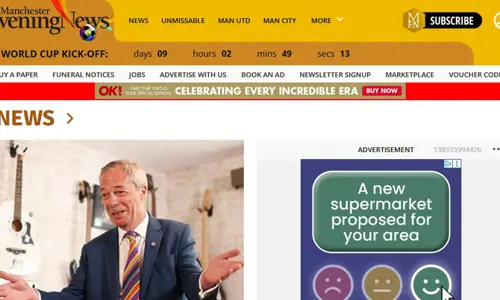
After years of resisting paywalls, Reach is now launching them across its titles. But David Higgerson, Reach’s chief content officer, carefully avoided the word ‘U-turn’ when interviewed by Steve Dyson.
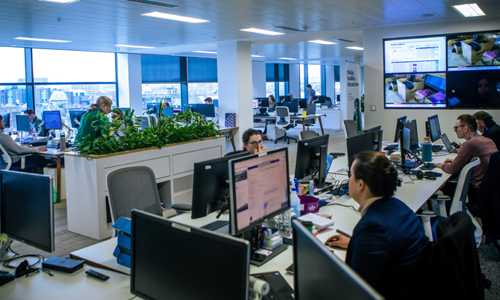
It’s one thing to think that readers should pay for your journalism, but the reality is that unless you improve your offering, then you will struggle to start charging for it, as DC Thomson Editor-in-Chief Frank O’Donnell tells Ciar Byrne.
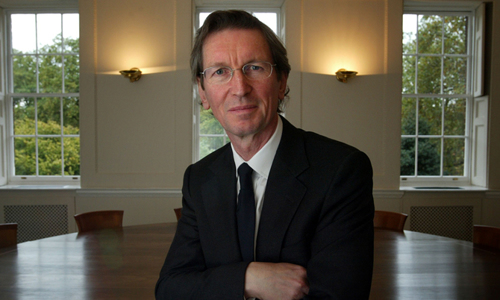
How can you edit a regional newspaper when you never visit the area you’re writing about? By filling it with generic content, an approach that National World’s David Montgomery, the new owner of JPI Media, is rapidly doing away with.
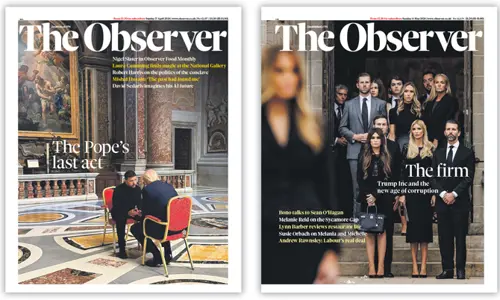
Ray Snoddy talks to Co-CEO Rich Furness about the thinking behind Tortoise Media’s acquisition of the world’s oldest Sunday newspaper and about their plans for its future.
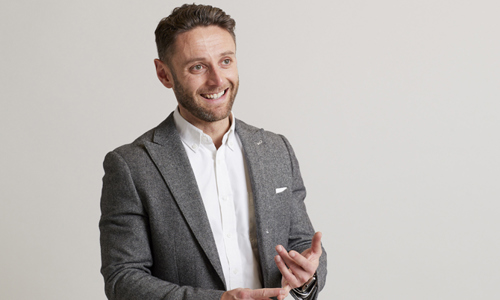
What’s the outlook for national news media in 2024? Christian Broughton, CEO of The Independent, looks ahead.

There is a new generation of entrepreneurs launching local media businesses, bringing with them new ideas on business models and funding. Phil Clark looks at some of the stand-out examples.

With Meta backing away from ‘news’ and AI accelerating the growth of disinformation, we need to redouble our efforts to safeguard access to quality journalism, says News Media Association Chief Executive Owen Meredith.
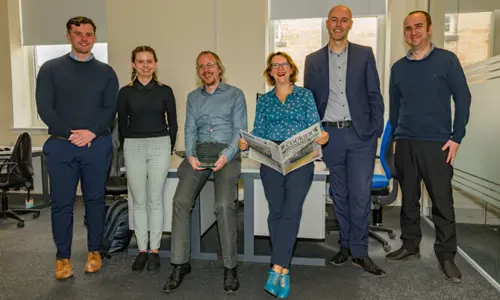
East Lothian is not just the best place to live – it has the best newsbrand too. Alan Geere heads over the border to find out what’s happening in the world of Scottish weeklies.

James Evelegh's editorial from this week's edition of InPubWeekly.

Global Media Hub has announced a new partnership with Eurotunnel Le Shuttle, providing a digital platform to their customers travelling between Folkestone and Calais.

Today, in recognition of World Refugee day and 25 years of the refugee crisis, The Guardian in collaboration with artist Banu Cennetoglu, Chisenhale Gallery and Liverpool Biennial is distributing The List from UNITED for Intercultural Action in its p

News UK is launching what they describe as a revolutionary new data platform that will enable advertisers to reach audiences based on their emotions and attitudes, driving emotional loyalty and potentially increasing advertising engagement by up to 4

Alex van Straubenzee has decided to retire from his position as Chief Executive Officer of the news and magazine industry charity, NewstrAid, with effect from the end of October 2018.

The NUJ has responded to the Scottish Information Commissioner's report which found that the Scottish government takes longer to respond to journalists' FOI requests than other requests.

News of a 10p cover price rise on the Sun on Sunday which is accompanied by a pro rata increase in retail margins has been warmly welcomed by the NFRN.

This week marks the start of a varied sponsorship season for News Scotland, publishers of The Times Scotland and The Sunday Times Scotland, with partnerships in literature, film and sport.

The Telegraph yesterday announced that Sunday Express political editor Camilla Tominey is to become Associate Editor, Politics and Royals.

James Evelegh's editorial from this week's edition of InPubWeekly.

WAN-IFRA with six media organisations have come together to express concern over Facebook’s new advertising policy that labels quality news as political advocacy and includes such content in its political ad archive.

June sees the launch of The Sun’s latest addition to its Sun Savers loyalty platform, the Sun Savers Raffle game.

During the 70th WAN-IFRA’s annual congress in Estoril, Portugal, Lisa MacLeod, Head of Digital at Tiso Blackstar Group, South Africa, was elected Vice-President of the World Association of Newspapers and News Publishers.

Publisher’s Toolbox has announced the launch of their UK office. Born eight years ago, the Cape Town based software company provides publishing teams with a range of content creation and workflow tools.

For this year’s World Cup season, The Guardian and The Observer will be offering football fans a number of interactive ways to engage with the tournament.
