News
Harvard Business Review redesign
Harvard Business Review kicks off the New Year with a double issue and a brand new look.


Consumer magazines spent most of the past two decades managing decline. The more confident publishers have stopped doing that. Newsstand sales and print advertising are still shrinking, but well-made titles with loyal readers are raising cover prices and growing.
Scale matters less than it did. Bauer has made Grazia a more premium product and charged more for it, while independents such as Anthem have put print back at the centre of the business and grown their export sales. Stylist has changed format several times without losing its readers. Others have gone the other way, and Gay Times dropped print entirely to build a global audience online.
For most consumer publishers, print is our USP. It’s the anchor that makes advertisers trust us and the very thing that readers want from us.
Jon Bickley Our print strategy: Anthem
Behind the confidence sits some hard arithmetic. Newstrade is now a small share of revenue and events and ecommerce are growing from a low base. Trust has become a selling point as AI fills the web with content of uncertain origin, but the paid-for consumer model that works at scale is still being worked out.
Below you'll find some of our best feature articles on consumer magazines, from premium print and cover pricing to brand extensions, membership and the future of specialist titles, alongside our latest news and industry commentary.

For a while now, magazine publishers have been on the defensive, unsure about the viability of their traditional business model in a fast-changing world. Katie Vanneck-Smith wants to change all that.

We asked Tamar Riley, portfolio managing director at Immediate, what does best practice publishing look like in consumer media? This is what she said…
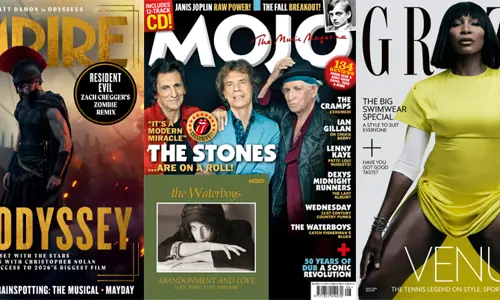
For premium titles like Grazia, Mojo and Empire, growth is increasingly coming not from extending reach but from deepening engagement with existing passionate audiences, as Lauren Holleyoake tells Ciar Byrne.
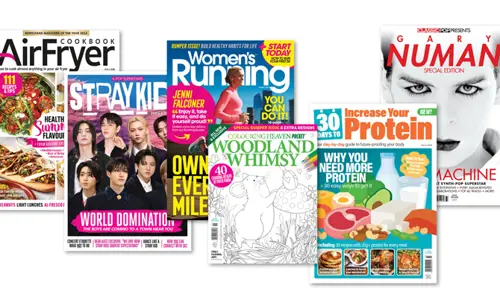
The printed magazine will be a cherished part of people’s lives for years to come, says Jon Bickley, co-founder and CEO. That is why it’s the key component in Anthem’s publishing strategy.
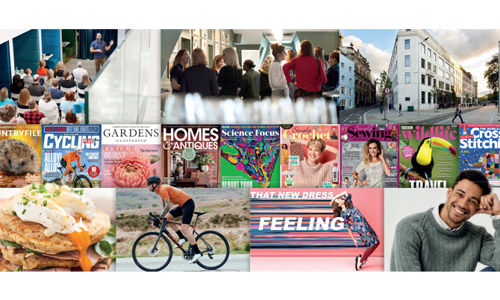
With the arrival of AI and the widespread availability of unattributable content, specialist publishers need to ensure that their titles are the trusted go-to brands in their sectors, Our Media’s Andy Marshall tells Ciar Byrne.
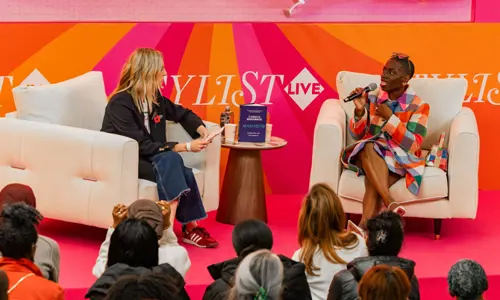
Stylist’s mission has been clear from day one: to engage with its female audience in an intelligent, positive and non-exploitative way. 16 years on, and current PPA Media Brand of the Year, they are staying true to those values, says Lisa Smosarski.
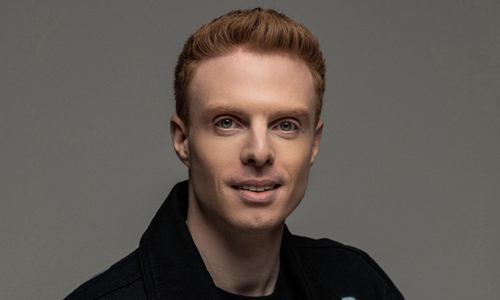
Gay Times was stuck in a rut, tied to its traditional publishing model and reaching only a small part of the LGBTQ+ community. Under the editorship of Lewis Corner, that began to change, as he explains to Ciar Byrne.
Whatever the rest of 2024 holds, two things are certain. Firstly, the bumpy economic ride will continue. Secondly, the need for media companies to have a broad base of revenue streams has never been more important or more challenging to achieve.
How do you create a specialist consumer media business that is fit for the future? What steps do you need to take to be resilient and flexible as audiences and technology evolve? Carolyn Morgan researched 20 innovators from across Europe to find out.
For many publishers, circulation is all about chasing volume, but they would be much better off chasing profitability, says Natalie Smith, client relationship manager at Warners.

Harvard Business Review kicks off the New Year with a double issue and a brand new look.

Total Film, the movie magazine and website, has named “There Will Be Blood” as the decade’s greatest movie, in a poll of critics to celebrate the end of the noughties.

One of the UK’s leading subscription bureaux, Optima, went into administration earlier this week.

Royal Mail has announced that the price of First and Second Class stamps for standard letters weighing up to 100g would rise by 2p, to 41p and 32p respectively, from 6 April 2010.

The Haymarket title What Car? is now available in print and online in Romania, after a dual launch designed to make the product stand out among Romania’s motoring titles.

NME Radio has announced its launch on National DAB increasing the station’s availability across the UK.

Haymarket’s Stuff magazine has partnered with Dell Computers to launch a new IT helpline for readers.

Wallpaper*, the international design, fashion and lifestyle magazine, is bringing its January ‘Next Generation’ issue to life with an augmented reality cover and a special feature enhanced with AR technology.

Polestar Colchester has been awarded ISO 14001 accreditation, becoming the final web offset company within the group to achieve this status and bringing the total number of Polestar companies with the standard to six.

FIPP will hold its international licensing, joint venture and syndication event, Worldwide Magazine Marketplace, WMM, in Sao Paulo, Brazil in autumn 2010 with a date and venue to be confirmed in the new year.

The International Herald Tribune (IHT) has published The International Herald Tribune magazine, a year-end publication which presents a roster of illustrious contributors from a wide spectrum of disciplines and countries to contemplate the global age

Two Sides, the UK initiative to promote the responsible production of print and paper, has reported the continued growth of its membership and welcomes twelve new members to its campaign.

The National Magazine Company has announced the appointment of Claire Irvin, as the new Editor of SHE magazine.

Following his announcement last week that he has decided to retire as executive chairman of the Haymarket Media Group as from January 2010, Lord Heseltine said today that it is with much regret that Martin Durham is leaving the company at the same ti

Magazine publishers have won praise from the Department for Environment, Food and Rural Affairs (Defra) for demonstrating the industry’s green credentials.
