News
Autocar launches student award
Autocar will put a final-year university student on the path to a automotive career with a new prize, jointly set up with automotive HR consultancy firm Courland.


Consumer magazines spent most of the past two decades managing decline. The more confident publishers have stopped doing that. Newsstand sales and print advertising are still shrinking, but well-made titles with loyal readers are raising cover prices and growing.
Scale matters less than it did. Bauer has made Grazia a more premium product and charged more for it, while independents such as Anthem have put print back at the centre of the business and grown their export sales. Stylist has changed format several times without losing its readers. Others have gone the other way, and Gay Times dropped print entirely to build a global audience online.
For most consumer publishers, print is our USP. It’s the anchor that makes advertisers trust us and the very thing that readers want from us.
Jon Bickley Our print strategy: Anthem
Behind the confidence sits some hard arithmetic. Newstrade is now a small share of revenue and events and ecommerce are growing from a low base. Trust has become a selling point as AI fills the web with content of uncertain origin, but the paid-for consumer model that works at scale is still being worked out.
Below you'll find some of our best feature articles on consumer magazines, from premium print and cover pricing to brand extensions, membership and the future of specialist titles, alongside our latest news and industry commentary.

For a while now, magazine publishers have been on the defensive, unsure about the viability of their traditional business model in a fast-changing world. Katie Vanneck-Smith wants to change all that.

We asked Tamar Riley, portfolio managing director at Immediate, what does best practice publishing look like in consumer media? This is what she said…
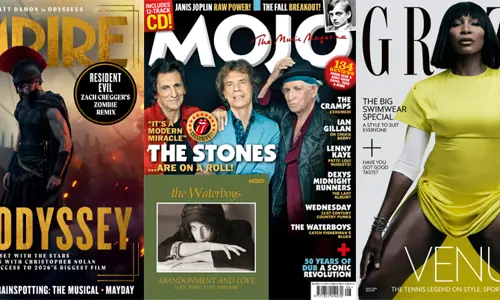
For premium titles like Grazia, Mojo and Empire, growth is increasingly coming not from extending reach but from deepening engagement with existing passionate audiences, as Lauren Holleyoake tells Ciar Byrne.
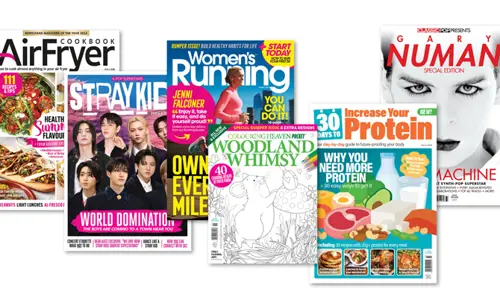
The printed magazine will be a cherished part of people’s lives for years to come, says Jon Bickley, co-founder and CEO. That is why it’s the key component in Anthem’s publishing strategy.
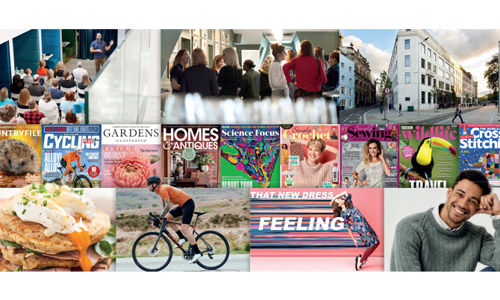
With the arrival of AI and the widespread availability of unattributable content, specialist publishers need to ensure that their titles are the trusted go-to brands in their sectors, Our Media’s Andy Marshall tells Ciar Byrne.
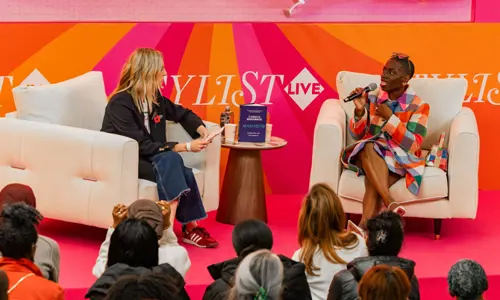
Stylist’s mission has been clear from day one: to engage with its female audience in an intelligent, positive and non-exploitative way. 16 years on, and current PPA Media Brand of the Year, they are staying true to those values, says Lisa Smosarski.

Gay Times was stuck in a rut, tied to its traditional publishing model and reaching only a small part of the LGBTQ+ community. Under the editorship of Lewis Corner, that began to change, as he explains to Ciar Byrne.

Whatever the rest of 2024 holds, two things are certain. Firstly, the bumpy economic ride will continue. Secondly, the need for media companies to have a broad base of revenue streams has never been more important or more challenging to achieve.
How do you create a specialist consumer media business that is fit for the future? What steps do you need to take to be resilient and flexible as audiences and technology evolve? Carolyn Morgan researched 20 innovators from across Europe to find out.
For many publishers, circulation is all about chasing volume, but they would be much better off chasing profitability, says Natalie Smith, client relationship manager at Warners.

Autocar will put a final-year university student on the path to a automotive career with a new prize, jointly set up with automotive HR consultancy firm Courland.

Haymarket licensing partner OMedia has released the first international licensed magazine to be published in Egypt – the July issue of Autocar Egypt.

Haymarket has been awarded a Gold Award for its commitment and ongoing action towards the reduction of carbon emissions at the first annual Green500 Awards.

As thousands of holidaymakers jet off for frisky frolics in the sun without contraception – Love It! gets tough on unsafe sex.

iSUBSCRiBE, the magazine and newspaper subscription site has signed an exclusive deal with Jamie Oliver’s magazine brand, Jamie Magazine.

RISI, the US based information provider for the global forest products industry, today announced that it has been fully acquired by United Business Media (UBM). UBM previously owned 52% of RISI.

The Economist unveils a new brand strategy for the UK with the launch, today (July 3rd) of a 70 second cinema ad: “RED WIRES”.

Pick Me Up, the real life woman’s weekly, has an all new look with a new invigorated design and stronger brand personality.

The European edition of Triathlete magazine hits the UK newsstand ahead of this year’s London Triathlon. The flagship title of the US-based Competitor Group Inc, Triathlete comes to our shores for the first time thanks to a joint venture agreement w

Subscriptions sold and paid for online have a lower acquisition cost than those sold via direct mail. Realising that is the easy bit; adjusting your marketing to capitalise on this fact takes a little more thought. Here, Anne Kottler reveals how US p

One of the many annoying things about a recession is that customers spend less and spend differently, meaning that businesses need to rethink their marketing plans and question the assumptions on which they were made. Christina Lucas looks at how cha

The challenge for publishers is to preserve their print models, because that is still where most of the money is, and to develop digital models, because that is where the growth is. Karlene Lukovitz looks at what strategies US publishers are adopting

With advertising revenues disappearing down the plug-hole, many free titles are seriously considering getting their readers to pay. It can be done, but, says Ross Sturley, your title must fulfil certain conditions and you must be prepared for a long

As direct marketers, you all use the web as an acquisition source. But are you making it work as hard as it possibly can? Steve Price and Don Brown advise on how you can get more out of your web marketing.

In fifty years’ time, will people have the same difficulty explaining the concept of print to their grand children as we currently do with records and cassettes? Probably, says Robert McCaffrey, who, whilst a fan of the printed word, fears that the f
