News
PCC upholds Clare Balding complaint against ST
The Press Complaints Commission has upheld a complaint from Clare Balding about a television review by AA Gill published in The Sunday Times Culture section on 25th July.


The newspaper business was built for a world where one product served everyone and advertising paid for most of it. That model has gone. What replaces it is still being worked out title by title, from national groups to weeklies covering a single town.
Reader revenue is the clearest shift. Even Reach, which argued for free access for years, now puts some of its journalism behind a paywall, and the regional titles doing best changed their newsrooms before they asked anyone to pay. Ownership keeps changing too. National World rebuilt local editorships after years of centralisation, and the Observer is being reinvented as a premium print and digital title under new owners.
The strongest publishers understand the difference because they are not trying to be everything to everyone. They are trying to be essential to someone.
Chris Sherrard News media
Local news is where the pressure shows most. Millions of people now live without a dedicated local title, and new reader-funded and membership startups are moving into the gaps. Platforms are pulling back from news at the same time, which leaves trust and a direct relationship with readers as the assets that matter most.
Print hasn't disappeared either. Well-run weeklies still hold on to their readers, with circulation falling slowly while digital audiences grow.
Below you'll find some of our best feature articles on news media, from reader revenue and newsroom change to ownership, local news and trust, alongside our latest news and industry commentary.

Where is the growth opportunity for today’s publishers? Douglas McCabe tracks how the commercial model has evolved over the past fifty years and examines whether a better understanding of what online audiences want, will help drive future growth.

We asked Chris Sherrard, editor-in-chief of The Irish News, what does best practice publishing look like in news media? This is what he said…
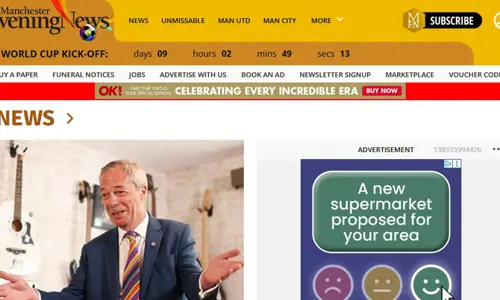
After years of resisting paywalls, Reach is now launching them across its titles. But David Higgerson, Reach’s chief content officer, carefully avoided the word ‘U-turn’ when interviewed by Steve Dyson.
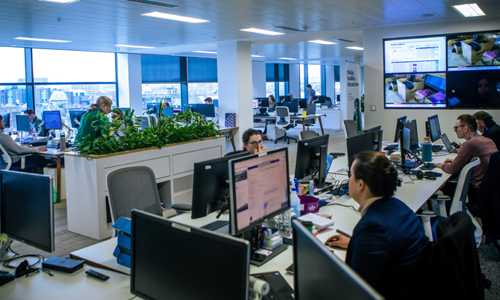
It’s one thing to think that readers should pay for your journalism, but the reality is that unless you improve your offering, then you will struggle to start charging for it, as DC Thomson Editor-in-Chief Frank O’Donnell tells Ciar Byrne.
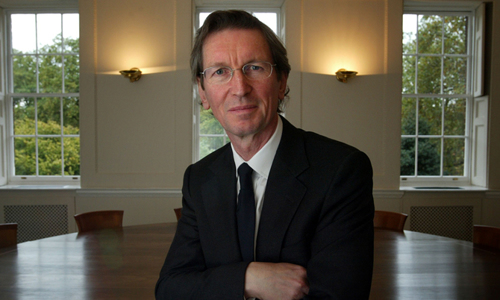
How can you edit a regional newspaper when you never visit the area you’re writing about? By filling it with generic content, an approach that National World’s David Montgomery, the new owner of JPI Media, is rapidly doing away with.
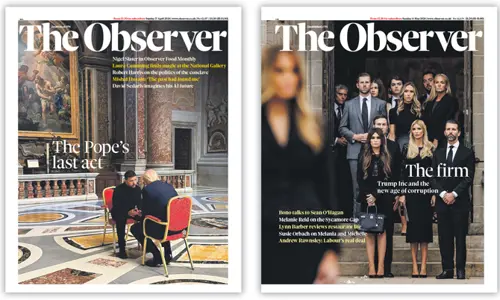
Ray Snoddy talks to Co-CEO Rich Furness about the thinking behind Tortoise Media’s acquisition of the world’s oldest Sunday newspaper and about their plans for its future.
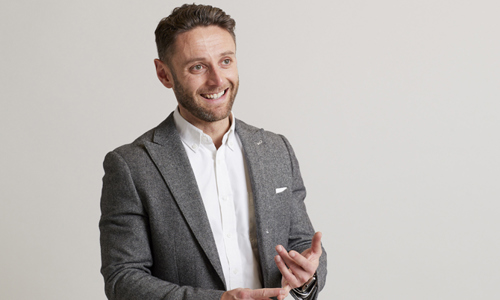
What’s the outlook for national news media in 2024? Christian Broughton, CEO of The Independent, looks ahead.

There is a new generation of entrepreneurs launching local media businesses, bringing with them new ideas on business models and funding. Phil Clark looks at some of the stand-out examples.

With Meta backing away from ‘news’ and AI accelerating the growth of disinformation, we need to redouble our efforts to safeguard access to quality journalism, says News Media Association Chief Executive Owen Meredith.
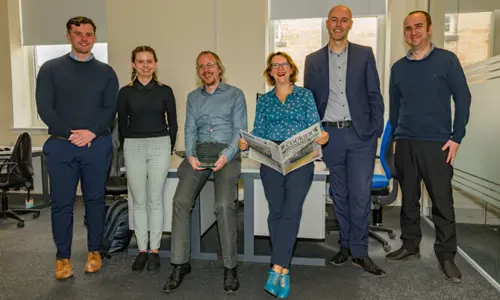
East Lothian is not just the best place to live – it has the best newsbrand too. Alan Geere heads over the border to find out what’s happening in the world of Scottish weeklies.

The Press Complaints Commission has upheld a complaint from Clare Balding about a television review by AA Gill published in The Sunday Times Culture section on 25th July.

Integration, investment, innovation, and insider intelligence are the principal pillars of the Condé Nast Digital division strategy, it was announced this week by Nicholas Coleridge, Managing Director of Condé Nast, at a presentation at the Royal Ins

After 20 years with JICREG, chief executive Roger Holland will be stepping down from the UK’s regional press audience organisation in July next year.

San Francisco has been chosen as the venue of the 12th International Readership Conference & Expo, which will present the latest newspaper strategies to satisfy loyal readers while attracting new audiences, in print, online and on mobile devices.

Newsstand, a leading online magazine retailer has launched “The Pocket Newsstand” mobile app, allowing Android users to browse and purchase over 3,000 print magazines by the copy.

David Greene has been appointed Newspaper Sales Director at the Telegraph Media Group.

LexisNexis recently announced a tie-up with the Guardian newspaper to supply legal information and related services to its diverse readership, including legal professionals, business people and consumers. Josh Bottomley explains LexisNexis’ strategy.

There’s a real buzz of excitement at Telegraph Media Group, writes Gavin Hughes, since the launch of its new dedicated fashion and beauty website on Monday 6th September.

The Guardian has launched a new website in partnership with the Bill & Melinda Gates Foundation to help focus the world's attention on global development.

The ABC has been a central pillar of the UK print establishment since it was founded in 1931. Recently it has taken steps to make the organisation equally relevant to the fast changing digital publishing world. Ray Snoddy talks to chief executive Jer

Have the demands of multi-platform publishing spelt the end of the traditional door-stepping hack? Should journos now be desk-bound computer whizz kids? Or a mix of the two? Peter Sands tries to nail down a job description for the modern journalist.

If profit was the sole measure of publishing success, then the much anticipated thinning out of Fleet Street would have happened already. But, writes Peter Preston, profit is just one of a number of reasons to own a newspaper.

While many traditional media owners continue to wrangle with transitioning their businesses online, Trinity Mirror have been busily launching new initiatives, and, says Paul Hood, the focus has been resolutely on creating high quality and highly enga

The question every print publisher should be asking themselves, says Mark Edwards, is “What would this product be if we started it today?” If the answer doesn’t involve print, then it’s probably best to start thinking about migrating online.

Time spent viewing video online is growing fast, and advertisers are willing to pay premium rates for pre-roll advertising. So is serving up moving content the way forward for publishers accustomed to the written word? And how can eyeballs be convert
